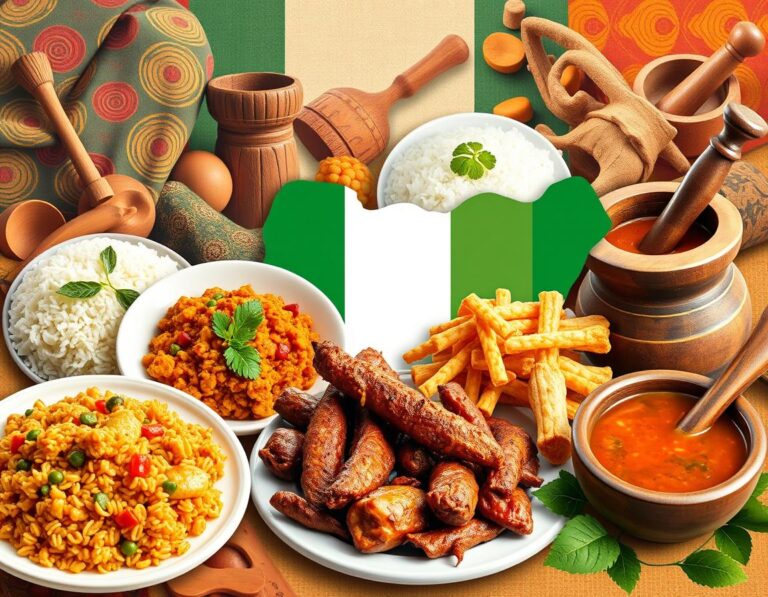
Nigeria’s food culture is one of the richest in Africa, shaped by history, geography, and tradition. Among the many indigenous dishes that define Northern Nigeria, Masa Bauchi food stands out as a simple yet deeply loved delicacy. Commonly called masa, this soft, slightly fermented rice cake is more than just food—it is culture, identity, and everyday life for millions of people.
In this guide, we explore what Masa Bauchi food is, where it comes from, how it is prepared, how Nigerians eat it today, and why it deserves a place among Nigeria’s most important traditional meals.
What Is Masa Bauchi Food?
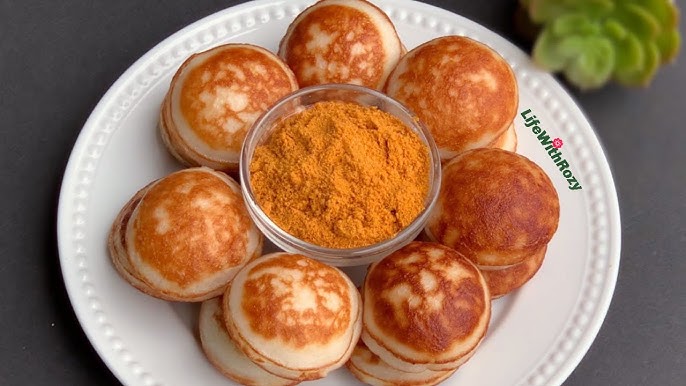
Masa is a traditional Northern Nigerian food made primarily from rice, sometimes combined with millet or sorghum. It is fermented, ground into a smooth batter, and cooked in a special pan that gives it a round, fluffy shape.
While masa is eaten across several northern states, Bauchi State is widely known for its unique preparation style and rich flavor—hence the popular reference “Masa Bauchi.”
Unlike bread or pancakes, masa has:
A soft, spongy texture
A mildly sour taste from fermentation
A slightly crispy bottom when cooked properly
It is often served hot and fresh, especially in the mornings or evenings.
The Origin of Masa in Northern Nigeria
Masa has its roots in Hausa culture, where rice-based meals have long been part of daily life. Historically, it was prepared in homes using locally grown rice and shared among family members or sold by roadside vendors.
In Bauchi and surrounding states:
Masa became a street food staple
It was affordable and filling
It suited both rural and urban lifestyles
Today, masa is not just a Bauchi food—it is eaten in Kano, Kaduna, Plateau, Gombe, Yobe, and beyond, including southern cities where northern communities reside.
This cultural spread mirrors how Nigerian food travels across regions, similar to dishes like jollof rice, which you can read about here:
👉 https://www.infolandia.com.ng/jollof-rice-a-staple-in-every-nigerian-celebration/
Ingredients Used in Masa Bauchi Food
The ingredients are simple, which is part of masa’s appeal:
Local rice (white or brown)
Yeast or fermented rice water
Sugar (small quantity)
Salt
Vegetable oil
Sometimes millet or corn flour (variation)
The batter is left to ferment for several hours, giving masa its signature taste and softness.
This fermentation process is similar to other traditional foods across Nigeria that rely on natural methods rather than artificial additives—one reason local foods remain relevant today.
How Masa Bauchi Is Traditionally Prepared
Traditional masa preparation involves:
Soaking rice overnight
Grinding the rice into a smooth paste
Allowing the batter to ferment
Cooking in a special masa pan (Tanderu)
The pan has multiple round holes, giving masa its iconic circular shape. Vendors carefully control heat to avoid burning while ensuring the inside remains fluffy.
This traditional cooking style highlights how Nigerian street foods preserve indigenous knowledge, much like other cultural practices discussed in
👉 https://www.infolandia.com.ng/the-hidden-power-of-nigerian-proverbs-in-daily-life/
How Nigerians Eat Masa Bauchi Food
Masa is rarely eaten alone. It is commonly served with:
Yaji (suya pepper)
Groundnut oil
Vegetable stew
Miyan taushe or miyan kuka
Fresh pepper sauce
Some people prefer it sweet, while others enjoy it spicy. In Bauchi, masa is often paired with local soups, making it a full meal rather than a snack.
This flexibility is why masa remains popular despite modern fast food options.
Cultural Importance of Masa in Bauchi
In Bauchi and many northern communities:
Masa is sold early in the morning
It is common during social gatherings
It is affordable for all income levels
It represents hospitality
Just like Lagos never sleeps due to its hustle culture
👉 https://www.infolandia.com.ng/why-lagos-never-sleeps-nigerias-busiest-city/
Bauchi mornings often come alive with masa vendors preparing fresh batches for customers.
Food is identity, and masa is a strong cultural marker for northern Nigerians.
Masa vs Other Nigerian Rice-Based Foods
Masa differs from other Nigerian rice meals in key ways:
| Food | Region | Texture | Cooking Method |
|---|---|---|---|
| Masa | Northern Nigeria | Soft & fermented | Pan-cooked |
| Jollof Rice | Nationwide | Grainy | Boiled |
| Tuwo Shinkafa | North | Smooth & thick | Cooked & molded |
| Rice Cake (Southern) | South | Dense | Steamed |
Each dish reflects local lifestyle and available ingredients.
Why Masa Bauchi Food Still Matters Today
Despite modernization, masa remains relevant because:
It is affordable
It uses local ingredients
It supports small vendors
It preserves cultural identity
In an era where many Nigerians are turning to fast food, traditional meals like masa help maintain cultural balance—similar to how Nigerians preserve local traditions despite challenges like power supply issues
👉 https://www.infolandia.com.ng/the-daily-struggle-of-power-supply-in-nigeria/
Health Considerations of Masa
When eaten in moderation:
Masa provides energy from carbohydrates
Fermentation aids digestion
It contains minimal preservatives
However, like all carbohydrate-heavy foods, portion control is important—especially for people managing blood sugar levels.
For general health and food safety awareness, Nigerian agencies like:
National Agency for Food and Drug Administration and Control (NAFDAC): https://www.nafdac.gov.ng/
World Health Organization (WHO): https://www.who.int/
offer reliable nutrition and food safety guidelines.
Preserving Nigerian Food Culture Online
Publishing local content like Masa Bauchi food under your Nigerian Life category is important for SEO because:
It targets low-competition cultural keywords
It attracts local search traffic
It strengthens topical authority
To further improve SEO, link related cultural posts like:
https://www.infolandia.com.ng/top-6-street-foods-every-nigerian-misses-when-abroad/
https://www.infolandia.com.ng/jollof-rice-a-staple-in-every-nigerian-celebration/
https://www.infolandia.com.ng/the-hidden-power-of-nigerian-proverbs-in-daily-life/
This internal linking strategy helps Google understand your Nigerian culture cluster, which can help recover rankings.
Conclusion
Masa Bauchi food is more than a Northern Nigerian delicacy—it is a symbol of tradition, simplicity, and community. From Bauchi streets to cities across Nigeria, masa continues to unite people through taste and culture.
By documenting and promoting indigenous foods like masa, Nigerian platforms help preserve heritage while strengthening local SEO visibility.