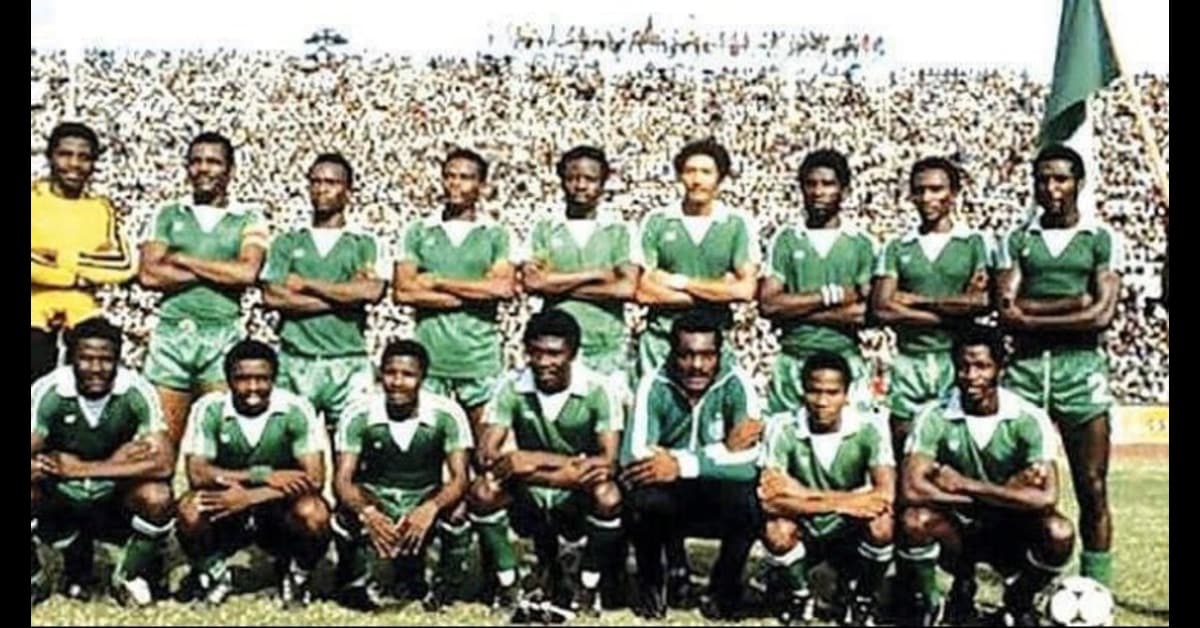
Nigeria has one of the richest football histories in Africa, and its relationship with the Africa Cup of Nations (AFCON) is both deep and emotional. Over the decades, the Super Eagles have consistently ranked among the continent’s strongest teams, earning respect, trophies, and loyal fans across Africa.
This article explores Nigeria’s AFCON journey, major achievements, memorable moments, and what the future holds.

Nigeria’s First AFCON Appearance
Nigeria made its AFCON debut in 1963, finishing third in the tournament. Although the team did not win the title then, that early performance signaled Nigeria’s arrival as a serious football nation.
From that point onward, Nigeria became a regular participant. Consequently, the Super Eagles built a reputation for resilience, technical skill, and attacking football.
For official tournament history, see CAF’s archive:
https://www.cafonline.com/total-africa-cup-of-nations/
Nigeria’s AFCON Titles
Nigeria has won the AFCON three times:
1980 – Nigeria (Host Nation)
Hosting the tournament gave Nigeria a huge advantage. Led by legends like Segun Odegbami and Christian Chukwu, the Super Eagles defeated Algeria 3–0 in the final at the National Stadium, Lagos.
As a result, the victory became a defining moment in Nigerian football history.
1994 – Tunisia
In 1994, Nigeria dominated African football. With stars such as Rashidi Yekini, Jay-Jay Okocha, and Sunday Oliseh, the team defeated Zambia 2–1 in the final.
This period is widely regarded as Nigeria’s golden era.
2013 – South Africa
Against many expectations, Nigeria lifted the trophy again in 2013. Under coach Stephen Keshi, the Super Eagles defeated Burkina Faso 1–0 in the final.
Importantly, this win proved that Nigeria could rebuild and still succeed.
CAF’s official winners list:
https://www.cafonline.com/total-africa-cup-of-nations/history/
Nigeria’s AFCON Near Misses
Although Nigeria has only three titles, the team has reached the AFCON final five times and finished third on several occasions.
Notable runner-up finishes include:
1984 vs Cameroon
1988 vs Cameroon
1990 vs Algeria
2000 vs Cameroon
Despite the losses, these performances reinforced Nigeria’s status as a continental powerhouse.

Legendary Nigerian Players at AFCON
Over the years, AFCON has showcased some of Nigeria’s greatest footballers.
Rashidi Yekini
Nigeria’s all-time top scorer, Yekini’s passion and goals made him an AFCON icon.
Jay-Jay Okocha
Known for creativity and flair, Okocha entertained fans and inspired a generation of Nigerian footballers.
Nwankwo Kanu
Kanu’s leadership and technical ability played a major role in Nigeria’s international success.
More player history is available via FIFA:
https://www.fifa.com
Recent AFCON Performances
In recent tournaments, Nigeria has remained competitive. Although consistency has sometimes been a challenge, the team continues to reach the latter stages.
For example, Nigeria’s strong showing at AFCON 2023 (played in 2024) highlighted defensive discipline and tactical growth.
For squad updates and match statistics:
https://www.cafonline.com
AFCON’s Impact on Nigerian Society
AFCON is more than football in Nigeria. During tournaments, streets become quieter, businesses pause briefly, and national unity increases.
Moreover, football success often lifts national morale. In difficult economic periods, AFCON matches provide hope, conversation, and shared excitement.
For lifestyle and Nigerian culture stories, see:
https://www.infolandia.com.ng/category/nigerian-life/
Economic and Media Influence of AFCON in Nigeria
AFCON also influences the economy. Viewing centers, sports betting shops, and online media platforms experience increased traffic.
Digital creators and bloggers benefit as well. If you’re interested in earning online through sports content, explore:
https://www.infolandia.com.ng/category/make-money-online/
The Future of Nigeria at AFCON
Looking ahead, Nigeria’s AFCON future depends on youth development, domestic league growth, and stable football administration.
Encouragingly, Nigeria continues to produce world-class talent. Therefore, future AFCON titles remain achievable with the right structure and planning.
For Nigerian football governance updates:
https://thenff.com
Final Thoughts
Nigeria’s history at the Africa Cup of Nations reflects passion, resilience, and football excellence. While trophies matter, the Super Eagles’ consistent presence at AFCON proves Nigeria’s lasting influence on African football.
Ultimately, AFCON remains a stage where Nigeria’s football identity is expressed and renewed.
For more Nigerian-focused insights and guides, visit: