How Nigeria’s Policing Culture Is Slowly Changing
In the past, seeing a police officer on the street made many Nigerians uneasy. Stories of extortion, intimidation, and profiling were far too common. People didn’t feel protected — they felt targeted. You can read similar social experiences in our Nigerian Life section.

Recently, though, things are shifting. While the damage from years of abuse cannot be ignored, efforts are being made to correct past mistakes. More Nigerians now notice a gradual change in how the police operate. This mirrors the steady progress seen in other areas we’ve explored on Infolandia.
The History of Police Harassment in Nigeria
For years, the Nigerian police were known for misconduct. Some officers abused their power by stopping young people — especially those with smartphones or laptops — and accusing them of being fraudsters. Many innocent citizens were forced to pay bribes or were unlawfully detained.
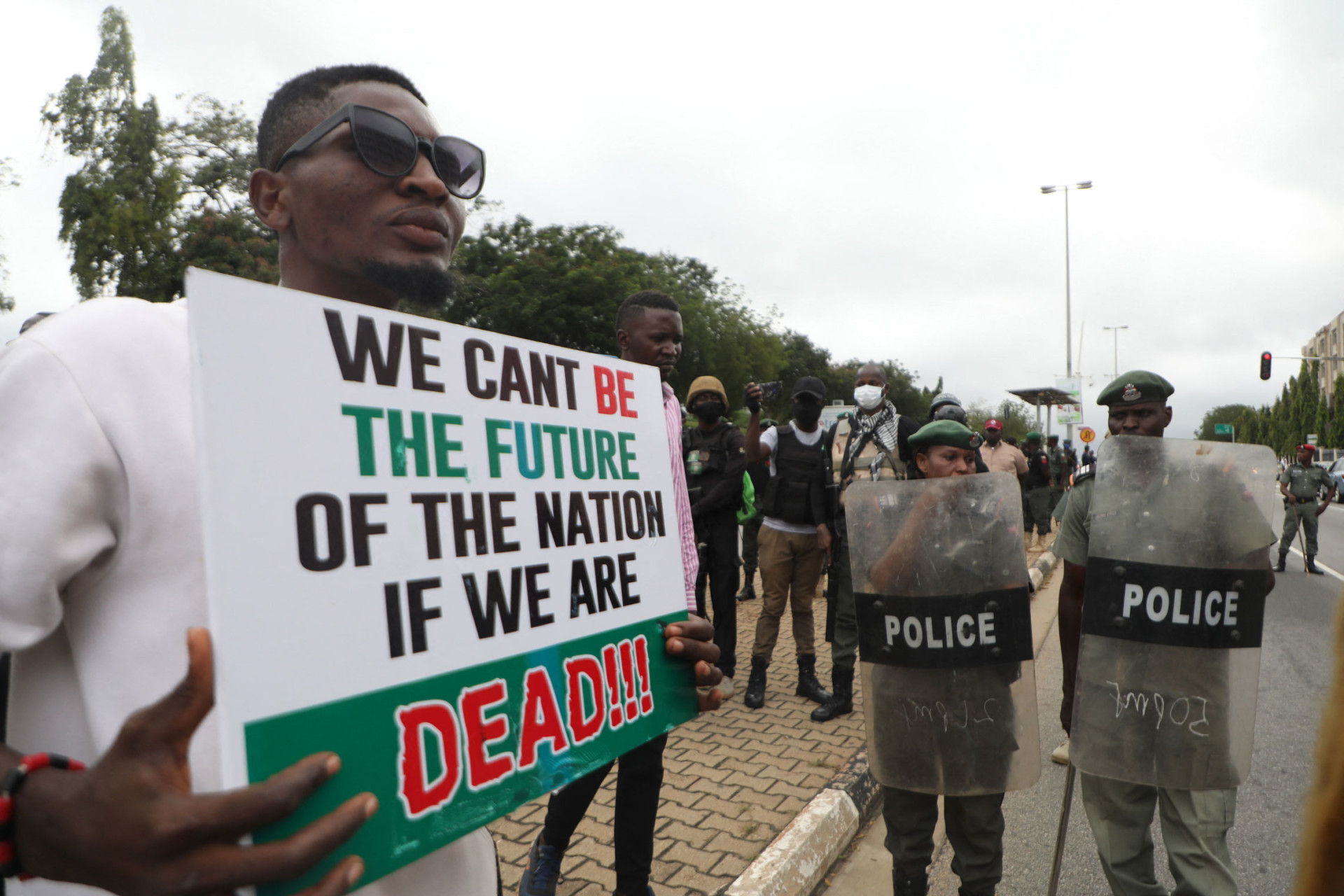
The #EndSARS movement brought national and international attention to these abuses. It became a turning point in the fight against police brutality. Similar civic and social awareness topics are also covered in our How-To Guides and Make Money Online categories, where we highlight how social reforms impact Nigerian youth.
Real-Life Effects on Ordinary Nigerians
This fear once shaped how people lived. Many avoided certain roads or neighborhoods to escape harassment. Young people changed how they dressed or even what devices they carried. The emotional and social impact was heavy — just like the financial pressures discussed in our Nigerian Life posts.
Recent Changes and Reforms
In recent years, the Nigerian Police Force (NPF) has introduced new policies, retrained officers, and disbanded SARS. These reforms are far from perfect but have led to visible improvements:
- Fewer random stops: Many Nigerians report fewer incidents of harassment.
- More accountability: Officers caught abusing power now face consequences, helped by public reporting and organizations like SERAP Nigeria.
- Public awareness: Citizens now know their rights and how to report misconduct, with support from NGOs and digital rights groups.
Is It Completely Fixed?
Not yet. Some abuses still happen, especially in remote areas. But they are no longer as common or tolerated as before. With social media, hotlines, and advocacy, people now hold officers accountable. For related civic stories, explore our Nigerian Life and How-To Guides.
Interestingly, some officers are now more respectful and professional. This shift is slow but real. You can also see how technology is improving governance in our Tech & Product Reviews.
Final Thoughts
Many Nigerians once feared the police — and that fear was justified. Today, however, reforms and awareness are slowly building trust again. The journey isn’t complete, but progress is visible.
For more stories about social change, technology, and everyday Nigerian life, visit Infolandia.com.ng. You can also find useful guides on Jobs and daily living under our How-To section.