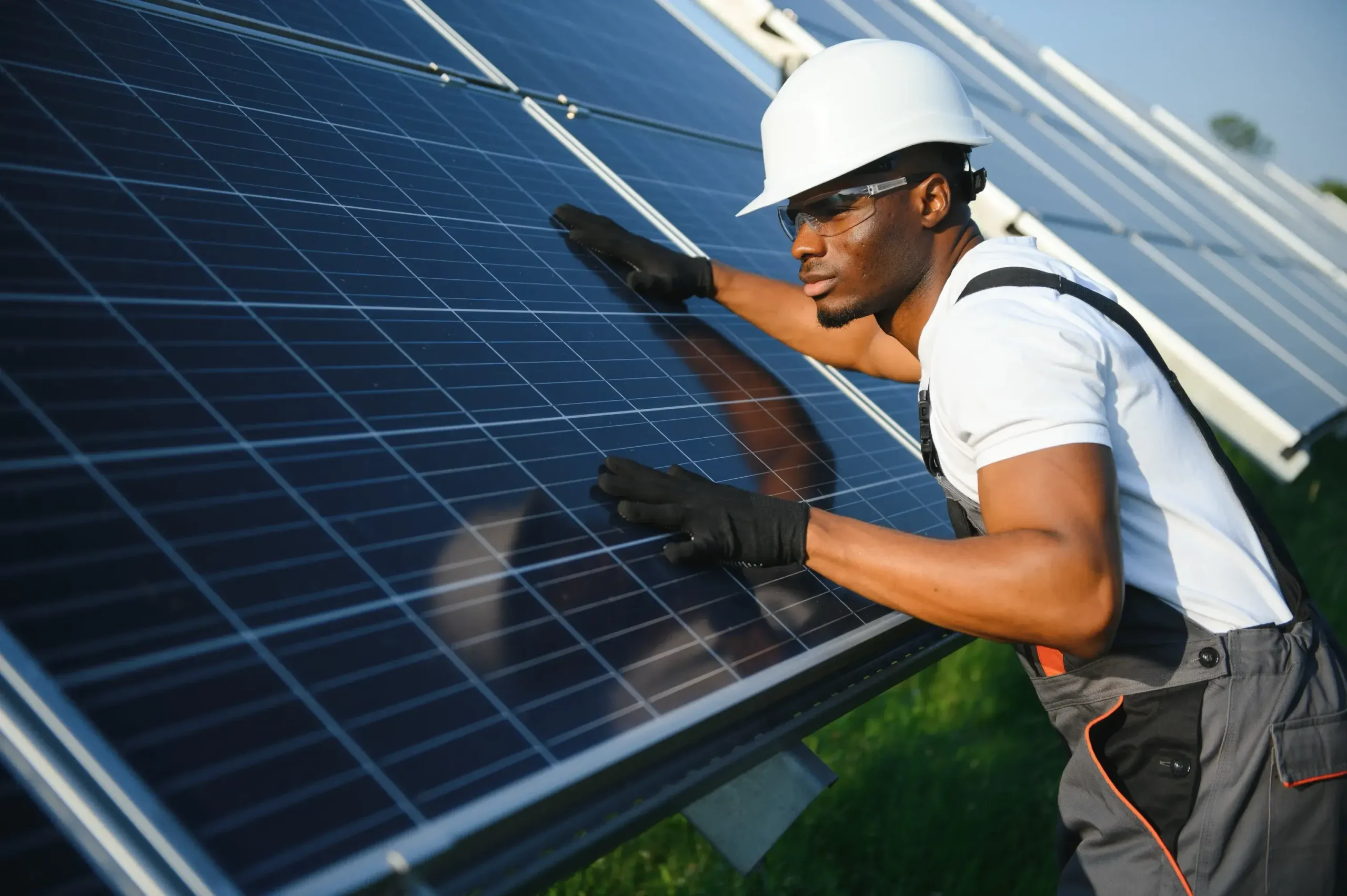
Solar power has moved from being an alternative option to a necessity in Nigeria. Due to persistent power outages, increasing fuel costs, and unreliable grid electricity, more households and businesses are switching to solar energy. In 2026, solar installations have become more common across urban and rural areas alike.
This guide explains how solar power works in Nigeria, the types of systems available, current price ranges, and trusted resources to help you make an informed decision.

What Is Solar Power and How Does It Work?
Solar power is electricity generated from sunlight using photovoltaic (PV) panels. These panels convert sunlight into usable energy, which is then stored in batteries or used directly through an inverter.
Because Nigeria receives abundant sunlight throughout the year, solar energy remains one of the most reliable power solutions. As a result, many Nigerians now prefer solar over generators and unstable grid supply.
To understand why electricity remains unreliable nationwide, read:
https://www.infolandia.com.ng/the-daily-struggle-of-power-supply-in-nigeria/
Why Solar Power Is Gaining Popularity in Nigeria
Several factors are driving solar adoption in Nigeria. First, fuel prices continue to rise, making generators expensive to run. Secondly, businesses cannot afford downtime caused by power outages. Most importantly, solar provides long-term savings despite its initial cost.
According to Nigeria’s Rural Electrification Agency (REA), solar mini-grids and home systems are helping to expand electricity access across underserved communities:
https://rea.gov.ng/
Similarly, the World Bank reports that solar energy plays a critical role in improving power access in developing economies like Nigeria:
https://www.worldbank.org/en/topic/energy
Types of Solar Systems Commonly Used in Nigeria
1. Off-Grid Solar Systems
Off-grid systems operate independently from the national grid. They are commonly used in rural areas and homes that want full power independence.
These systems include solar panels, charge controllers, inverters, and batteries. Because they rely solely on solar energy, battery quality is extremely important.
2. On-Grid Solar Systems
On-grid systems work alongside NEPA. During daylight hours, solar panels supply power, while grid electricity supports usage at night.
However, because net-metering is still limited in Nigeria, on-grid systems are less popular than off-grid or hybrid setups.
For official grid regulations, see Nigeria’s Electricity Regulatory Commission (NERC):
https://nerc.gov.ng/
3. Hybrid Solar Systems
Hybrid systems combine solar panels, batteries, and grid electricity. Consequently, they offer flexibility and reliability.
For most Nigerian homes in 2026, hybrid systems remain the most practical option.
Solar Power Price Range in Nigeria (2026)
Solar prices in Nigeria vary depending on system size, battery type, inverter brand, and installation quality. Below is the average market range in 2026.
Small Solar Systems (₦250,000 – ₦600,000)
Ideal for:
Lighting
TV
Fans
Phone charging
Best for single rooms or small apartments.
Medium Solar Systems (₦700,000 – ₦1.8 Million)
Suitable for:
Refrigerators
Multiple TVs
Routers
Fans
Small offices
This is the most common setup for Nigerian households.
Large Solar Systems (₦2.5 Million – ₦6 Million+)
Designed for:
Air conditioners
Freezers
Washing machines
Businesses and shops
Although expensive upfront, these systems eliminate generator costs almost completely.
What Affects Solar Prices in Nigeria?
Several factors determine solar costs. Firstly, battery type matters greatly. Lithium batteries last longer but cost more than tubular or gel batteries. Secondly, inverter quality affects system stability and lifespan.
In addition, panel efficiency and brand reputation influence pricing. Installation quality also plays a major role, as poor installations often lead to system failure.
For business owners evaluating long-term investments, see:
https://www.infolandia.com.ng/lucrative-online-businesses-nigerians-dont-know-about-hidden-but-highly-profitable/
Is Solar Power Worth It in Nigeria in 2026?
Yes, solar power is absolutely worth it in Nigeria in 2026. Although the upfront cost may seem high, long-term savings on fuel and maintenance make solar more economical over time.
Moreover, solar power increases property value and ensures uninterrupted productivity for businesses.
For Nigerians exploring smart financial decisions and income stability, read:
https://www.infolandia.com.ng/piggyvest-review-save-and-invest-easily/
Global and Nigerian Support for Solar Energy
Globally, renewable energy adoption is supported by organizations such as the International Renewable Energy Agency (IRENA), which promotes solar expansion across Africa:
https://www.irena.org/
In Nigeria, solar initiatives are supported by REA and international partners working to reduce energy poverty.
Common Mistakes Nigerians Make When Buying Solar
Many buyers underestimate their energy needs. As a result, systems fail to power essential appliances.
To avoid this:
Calculate total power consumption
Avoid fake or refurbished panels
Use certified installers
Invest in quality batteries and inverters
For more practical Nigerian guides, visit:
https://www.infolandia.com.ng/category/how-to-guides/
Final Thoughts
Solar power remains one of the smartest investments Nigerians can make in 2026. With rising electricity challenges and fuel costs, solar systems provide stability, savings, and peace of mind.
As renewable energy adoption increases, understanding solar systems and price ranges helps you avoid costly mistakes and make better long-term decisions.
Explore more Nigeria-focused insights here: