Air conditioners play a crucial role in comfort, especially in hot and humid regions like Nigeria. However, many homeowners and office managers continue using old AC units long after they stop performing efficiently. While regular maintenance helps, there comes a point when replacement is the smarter and more cost-effective option.
In this guide, we explain the clear signs your air conditioner needs an upgrade, how to know when repairs are no longer worth it, and what to consider before buying a new unit.
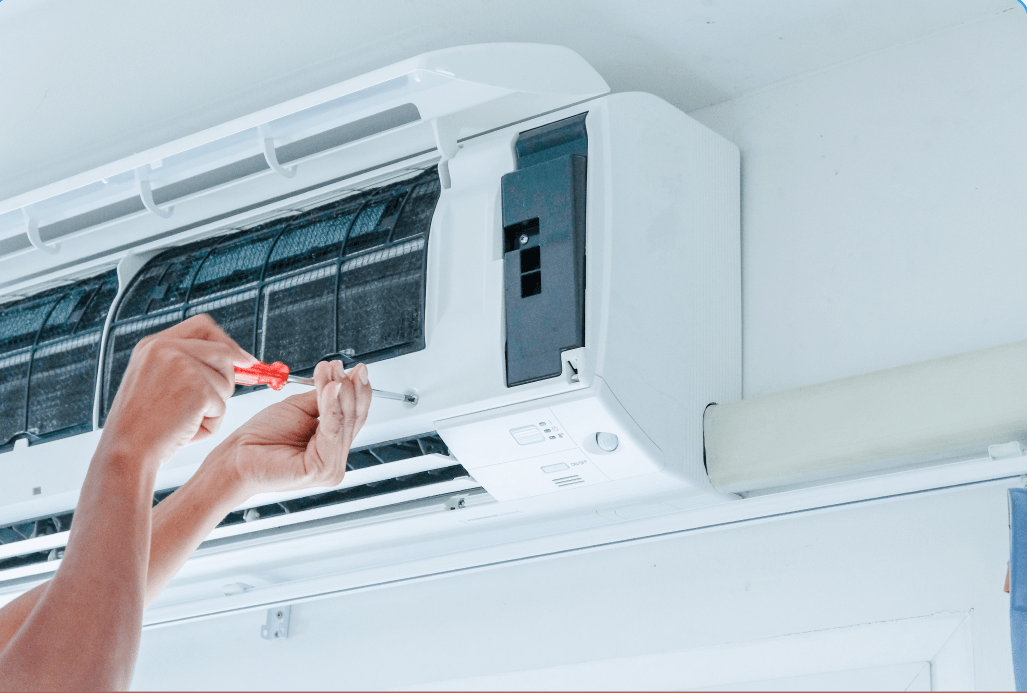
How Long Should an Air Conditioner Last?
On average, most air conditioners last between 8 to 15 years, depending on usage, maintenance, and power conditions. In Nigeria, frequent power fluctuations and generator use often shorten this lifespan.
According to energy efficiency data published by global energy agencies, older cooling systems consume significantly more electricity than modern models. Over time, this leads to higher bills and frequent breakdowns.
For general home appliance efficiency standards, see:
-
International Energy Agency (IEA)
https://www.iea.org -
U.S. Department of Energy (Energy Saver)
https://www.energy.gov/energysaver
1. Your AC Is No Longer Cooling Effectively
One of the earliest signs of AC failure is poor cooling. If your room remains warm even after hours of operation, something is wrong.
In many cases, older units lose efficiency due to worn compressors or refrigerant issues. As a result, the system works harder while delivering less cooling. At this stage, replacement often makes more sense than repeated repairs.
2. Rising Electricity Bills Without Increased Usage
Another major warning sign is a sudden rise in electricity bills. Even if your usage pattern stays the same, an aging air conditioner can consume far more power than before.
Modern inverter ACs are designed to reduce energy consumption. Therefore, upgrading can significantly cut monthly electricity costs, which is especially important in Nigeria where power tariffs continue to rise.
You can learn more about how unstable electricity affects households here:
https://www.infolandia.com.ng/the-daily-struggle-of-power-supply-in-nigeria/

3. Frequent Repairs Are Becoming Normal
Occasional repairs are expected. However, when your AC technician starts visiting too often, it is usually a sign that the system is nearing the end of its life.
Instead of spending money on repeated fixes, many experts recommend investing in a new unit. In the long run, replacement reduces downtime, repair costs, and stress.
For consumer guidance on appliance replacement decisions, see:
-
Consumer Reports (Home Cooling Advice)
https://www.consumerreports.org
4. The Air Conditioner Uses Outdated Refrigerant
Older air conditioners often use refrigerants that are no longer environmentally friendly. Some of these refrigerants are being phased out globally due to environmental regulations.
As a result, refilling or servicing such systems becomes more expensive and harder over time. Newer AC units use eco-friendly refrigerants that are safer and more efficient.
For global environmental standards, reference:
-
United Nations Environment Programme (UNEP)
https://www.unep.org
5. Unusual Noises or Persistent Odors
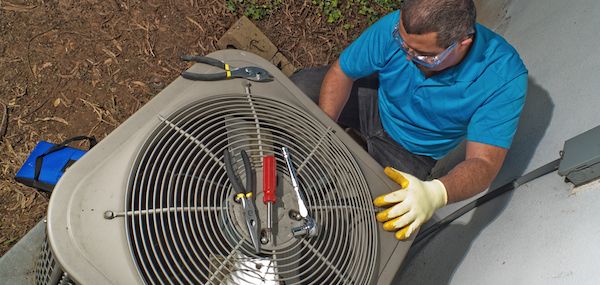
Strange sounds such as grinding, rattling, or loud humming are signs of internal damage. Similarly, unpleasant odors may indicate mold growth or electrical problems.
Although cleaning can help in minor cases, persistent noise or smell usually means the internal components are failing. In such situations, replacing the unit is often the safest option.
6. Your Space Has Changed
Sometimes, the problem is not the AC itself but the environment. If your room size has increased or your office layout has changed, your old air conditioner may no longer be suitable.
Newer models are designed to cool spaces more evenly and efficiently. Therefore, upgrading ensures proper airflow and consistent temperature control.
Benefits of Replacing Your Old Air Conditioner
Upgrading your AC comes with several advantages:
-
Improved cooling performance
-
Lower energy consumption
-
Reduced maintenance costs
-
Quieter operation
-
Better air quality
Additionally, modern AC units integrate better with smart home setups and voltage stabilizers, which is useful in regions with power fluctuations.
Choosing a New Air Conditioner in Nigeria
Before buying a replacement, consider the following factors:
-
Room size and cooling capacity
-
Energy efficiency rating
-
Inverter technology
-
Warranty and service availability
To explore appliance buying options and deals, you can check:
You may also compare prices on trusted Nigerian platforms such as:
-
Jumia Nigeria
https://www.jumia.com.ng -
Slot Nigeria
https://slot.ng
Using Smart Appliances to Save Money
Replacing an old air conditioner can also help you save money long term. Many Nigerians now combine energy-efficient appliances with digital income strategies to manage rising living costs.
If you are interested in earning online to support home upgrades, explore:
Final Thoughts
In summary, an old or inefficient air conditioner can cost you more than you realize. When cooling performance drops, repairs become frequent, or energy bills keep rising, replacement is often the smarter decision.
Ultimately, upgrading to a modern air conditioner improves comfort, reduces costs, and ensures reliable cooling—especially in Nigeria’s challenging power environment.
For more home, tech, and lifestyle guides, visit: