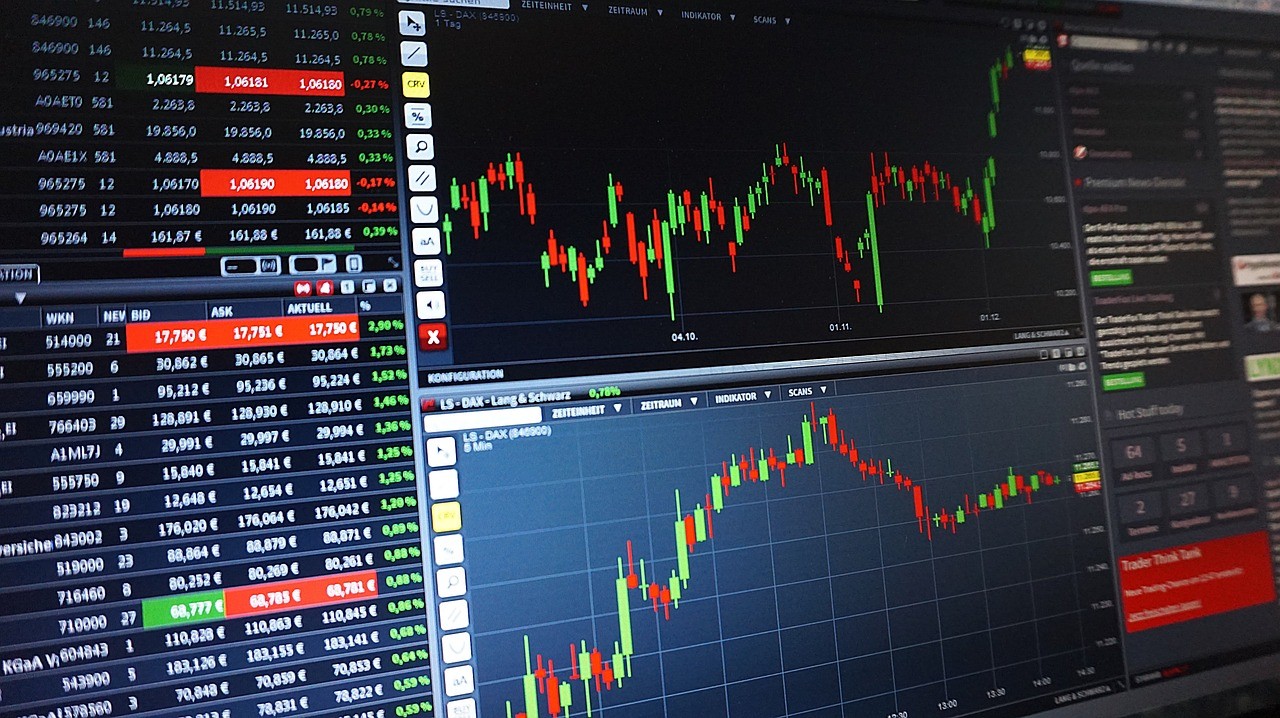
Cryptocurrency and digital assets have become one of the most talked-about financial innovations in Nigeria. From Bitcoin trading to stablecoins like USDT, millions of Nigerians now use digital assets for savings, remittances, online business, and cross-border payments.
In fact, Nigeria remains one of the largest crypto adoption markets in the world, driven by inflation, currency instability, and the rise of digital entrepreneurship. According to recent reports, stablecoins are now widely used as a digital alternative to the naira for everyday financial activity.

👉 Related reading:
How Technology is Changing Everyday Life in Nigeria
What Are Crypto and Digital Assets?
Crypto assets are digital currencies and tokens that operate on blockchain technology. They are decentralized, meaning they are not controlled by any single government or bank.
Digital assets include:
- Cryptocurrencies (Bitcoin, Ethereum, etc.)
- Stablecoins (USDT, USDC)
- Tokenized assets (NFTs, digital securities)
In Nigeria, crypto is now widely used for savings, international payments, and online business transactions.
👉 External reference:
Securities and Exchange Commission Nigeria
Is Crypto Legal in Nigeria?
Yes — crypto is legal in Nigeria, but it is regulated. The regulatory environment has changed significantly over the years.
Under the Investments and Securities Act (ISA 2025), digital assets are now recognized as securities under the Securities and Exchange Commission (SEC).
However, crypto is NOT considered legal tender, meaning it cannot replace the naira for official payments.
👉 Source:
Crypto Legal Status in Nigeria (2026 Guide)
👉 Related article:
Why Online Money Apps Don’t Work in Nigeria
How Nigerians Use Crypto Today
Crypto adoption in Nigeria is not just speculation—it is driven by real economic needs.
Many Nigerians now use digital assets for:
- Saving in stablecoins (USDT)
- Receiving freelance payments
- Cross-border transactions
- Online business settlements
- Protecting against inflation
Recent data shows Nigeria remains one of the top global crypto adoption countries, with millions actively using digital assets daily.
👉 Source:
Crypto Adoption Statistics in Nigeria (2026)
👉 Related reading:
How to Earn in Dollars as a Virtual Assistant
Popular Digital Assets in Nigeria
1. Bitcoin (BTC)
Bitcoin remains the most recognized cryptocurrency in Nigeria. It is widely used as a store of value and long-term investment asset.
👉 Learn more:
Understanding Financial Growth in Nigeria
2. Stablecoins (USDT, USDC)
Stablecoins are currently the most used crypto assets in Nigeria because they are pegged to the US dollar, making them stable during naira fluctuations.
👉 External reference:
CoinMarketCap
3. Ethereum (ETH)
Ethereum is widely used for smart contracts, NFTs, and decentralized applications (dApps).
Role of Regulation in Nigeria’s Crypto Market
Nigeria’s crypto ecosystem is regulated by both the SEC and the Central Bank of Nigeria (CBN). The system is evolving toward structured supervision rather than outright restriction.
Recent reports show that regulators are now focusing on licensing Virtual Asset Service Providers (VASPs) and improving compliance frameworks.
👉 Source:
SEC Crypto Regulation Update in Nigeria
👉 Related post:
How Technology is Changing Nigerian Lifestyle
Challenges Facing Crypto Adoption in Nigeria
Despite strong adoption, there are still challenges in the ecosystem:
- Regulatory uncertainty between SEC and CBN
- Banking restrictions in some cases
- Scam and fraud platforms
- Volatility of crypto prices
- Lack of awareness among beginners
👉 Related guide:
Common Mistakes Nigerians Make (Financial Awareness)
Future of Crypto and Digital Assets in Nigeria
The future of crypto in Nigeria looks promising. Experts predict continued growth in:
- Stablecoin payments
- Cross-border freelance income
- Blockchain-based financial systems
- Regulated crypto exchanges
With clearer regulations and increasing adoption, Nigeria is likely to remain one of the leading crypto markets in Africa.
👉 Related reading:
How to Make Money with Digital Marketing in Nigeria
Final Thoughts
Crypto and digital assets in Nigeria are no longer just a trend—they are becoming part of the financial system. While risks still exist, millions of Nigerians are already using digital currencies for real-life financial needs.
The key is education, caution, and understanding how the system works before investing or trading.
Explore more guides on InfoLandia: