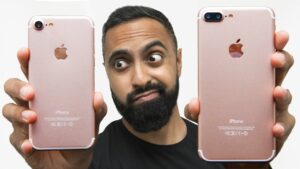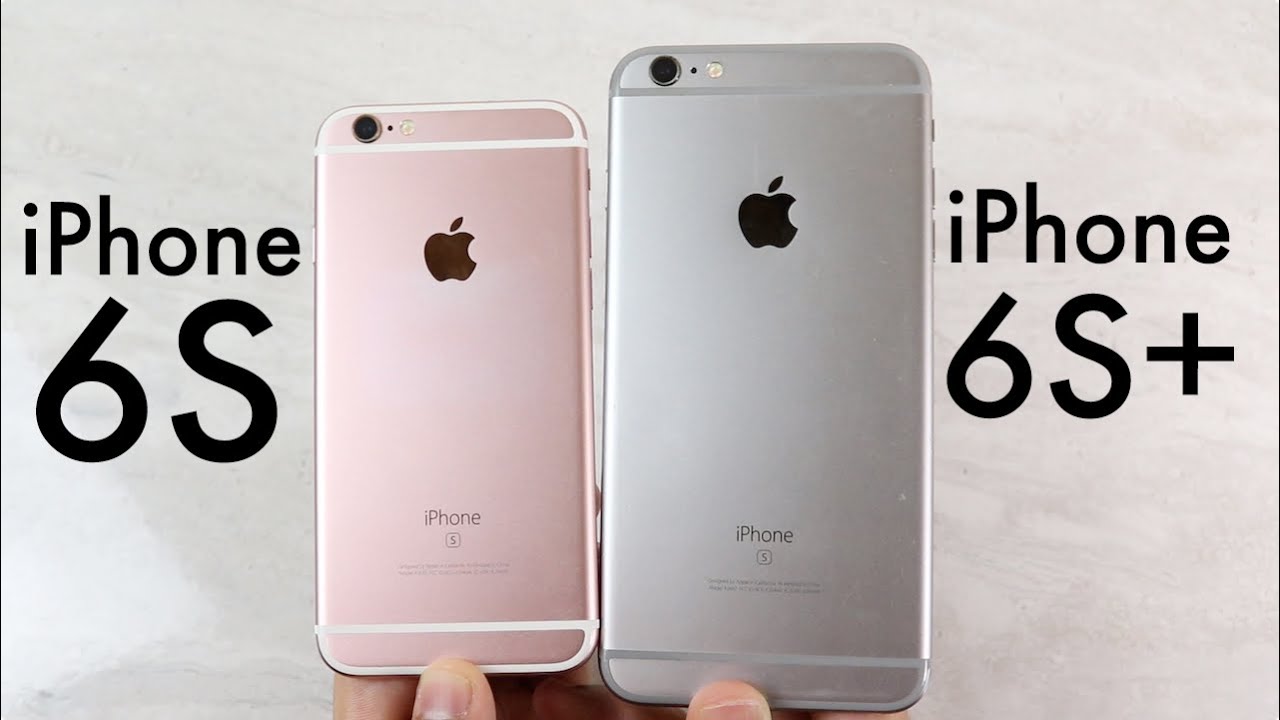
The iPhone 6s and iPhone 6s Plus are old smartphones by today’s standards, but they still appear in the Nigerian used-phone market. You can still come across them in phone shops, online marketplaces and among people selling older iPhones they no longer need.
At first glance, choosing between the two seems easy. The iPhone 6s is smaller, while the iPhone 6s Plus is larger. Both use Apple’s A9 processor, both have a 12MP rear camera and both introduced features such as 3D Touch and Live Photos.
However, there are some important differences that become much more significant when you are buying one in 2026. Battery condition, software support, display size, camera stabilization and the condition of the individual used phone can matter more than the original specifications.
In this comparison, I will look at the iPhone 6s vs iPhone 6s Plus from the perspective of someone considering one as an affordable used iPhone, especially in Nigeria.

iPhone 6s vs iPhone 6s Plus: Quick Comparison
| Feature | iPhone 6s | iPhone 6s Plus |
|---|---|---|
| Display | 4.7-inch LCD | 5.5-inch LCD |
| Resolution | 1334 × 750 | 1920 × 1080 |
| Processor | Apple A9 | Apple A9 |
| RAM | 2GB | 2GB |
| Rear camera | 12MP | 12MP |
| Optical image stabilization | No | Yes |
| Front camera | 5MP | 5MP |
| Storage options | 16GB, 32GB, 64GB, 128GB | 16GB, 32GB, 64GB, 128GB |
| Weight | 143g | 192g |
| 3D Touch | Yes | Yes |
| Touch ID | Yes | Yes |
| Headphone jack | Yes | Yes |
Apple’s original specifications confirm that both models use the A9 chip and offer 3D Touch, while the larger iPhone 6s Plus adds optical image stabilization to its rear camera. Apple’s iPhone 6s technical specifications and iPhone 6s Plus specifications provide the original hardware details.
Design and Build Quality
Both phones have the familiar aluminium design that Apple used during this generation. They also have curved edges, a physical Home button with Touch ID and a 3.5mm headphone jack.
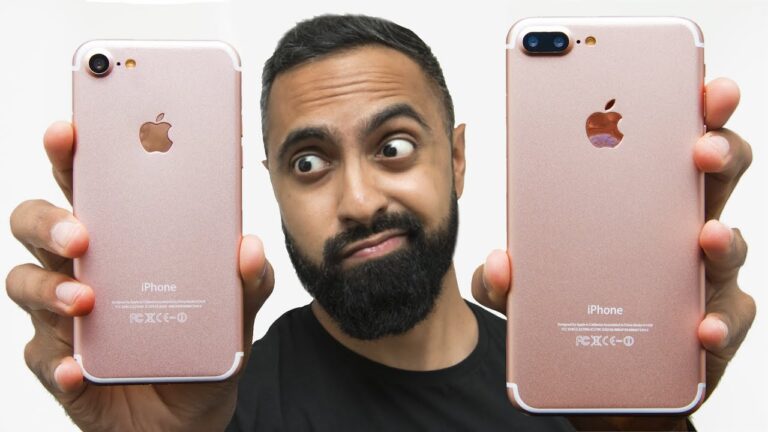
The biggest physical difference is obviously the size.
The iPhone 6s has a 4.7-inch display and weighs about 143 grams. The iPhone 6s Plus has a much larger 5.5-inch display and weighs about 192 grams.
If you prefer a compact phone that you can comfortably operate with one hand, the regular iPhone 6s is easier to live with.
The 6s Plus feels more like a small tablet compared with modern compact smartphones. It is heavier, but the larger screen can make browsing websites, watching videos and reading documents more comfortable.
Personally, I think the choice here comes down to what you value more: portability or screen size.
Display: iPhone 6s vs 6s Plus
This is one of the clearest differences between the two models.
The iPhone 6s uses a 4.7-inch Retina HD LCD with a resolution of 1334 × 750 pixels. The iPhone 6s Plus increases the display to 5.5 inches and uses a 1920 × 1080 resolution.
That means the 6s Plus has both a larger screen and a higher pixel density.
For ordinary phone calls, messaging and light browsing, the smaller iPhone 6s screen is perfectly usable. However, if you enjoy watching videos or reading for long periods, the 6s Plus has the more comfortable display.
The downside is the size. A 5.5-inch phone from this era has much larger bezels than modern smartphones, so the 6s Plus can feel surprisingly bulky when compared with a newer device.
If display size matters to you, I would give this round to the iPhone 6s Plus.
Performance and A9 Chip

Both phones use Apple’s A9 processor with the M9 motion coprocessor. This means you should not expect a major performance difference between the two models.
The processor was impressive when Apple launched these phones in 2015. Apple introduced the A9 alongside the iPhone 6s generation as a major performance upgrade. Apple’s original iPhone 6s announcement explains the hardware and features introduced with the phones.
In 2026, however, the situation is very different.
The A9 can still handle basic tasks, but these phones are no longer suitable for someone looking for modern flagship-level performance. App compatibility and software support are much bigger concerns than the processor’s original performance.
If you are comparing these phones with much newer models, you should also check our guide to the best smartphones to buy in Nigeria in 2026.
Camera Comparison
Both phones have a 12MP rear camera and a 5MP front-facing camera.
At first, that makes them look almost identical. There is, however, an important advantage for the iPhone 6s Plus.
The iPhone 6s Plus has optical image stabilization.
Optical image stabilization can help reduce the effects of hand movement when taking photos and recording video. Apple specifically lists optical image stabilization for the iPhone 6s Plus, while noting that this feature is exclusive to the Plus model in this generation.
Both phones can record 4K video at 30 frames per second, as well as 1080p HD video. The 6s Plus also benefits from optical stabilization when recording video.
For someone buying one of these phones mainly for photography, I would therefore choose the 6s Plus.
Battery Life
Battery life is where buying a used iPhone 6s or 6s Plus becomes more complicated.
When these phones were new, the 6s Plus had a larger battery and Apple’s official figures gave it longer usage estimates than the regular 6s.
Apple originally rated the iPhone 6s for up to 10 hours of internet use over 3G or LTE, while the 6s Plus was rated for up to 12 hours of internet use. The Plus was also rated for longer video and audio playback.
But remember that these phones are now around a decade old.
A used iPhone’s current battery health matters far more than Apple’s original battery rating. A 6s Plus with a badly degraded battery can perform worse in everyday use than a well-maintained 6s with a healthier replacement battery.
That is why I would never buy one of these phones simply because the seller says, “The battery lasts long.”
Check the actual battery health in Settings > Battery > Battery Health before paying.
You can also read our article on 7 signs your phone needs replacement if you are trying to determine whether an older phone is still worth keeping.
Software Support: The Biggest Problem in 2026
This is probably the most important section of this entire comparison.
The iPhone 6s and iPhone 6s Plus were released in 2015. They eventually received iOS 15, but they cannot move on to the newer major iOS versions that require newer hardware.
Apple confirmed when iOS 15 launched that the update supported the iPhone 6s and later. Apple’s iOS 15 announcement lists the iPhone 6s among supported devices.
This means you should think carefully before buying one in 2026.
Even if the phone still works perfectly, software compatibility can become a problem. Some newer applications may require newer versions of iOS, while websites and services can also become less convenient to use on an older operating system.
For a secondary phone, basic communication device or inexpensive backup phone, this may not bother you.
For a primary smartphone that you expect to use for several more years, I would look at a newer iPhone instead.
Storage Options
Both models originally came in 16GB, 32GB, 64GB and 128GB configurations.
In 2026, I would avoid the 16GB version unless you have a very specific reason for buying it.
Modern apps, photos, videos and system files can quickly consume such a small amount of storage. Even 32GB can become restrictive if you take lots of photos or videos.
If you absolutely have to choose between these old models, 128GB is the version I would look for, provided the price and condition make sense.
Storage is also one reason I recommend checking our guide on why phone storage keeps filling up and what actually works.
Which One Is Better for Gaming?
Neither phone should be your first choice for modern mobile gaming in 2026.
The A9 processor was capable in its time, but modern games are considerably more demanding. The age of the hardware, limited software support and battery condition all make these phones less attractive for serious gaming.
If gaming is your priority, you should consider a newer phone with a more modern processor and better software support.
For general information about choosing a phone for gaming, you can also check our phone requirements for gaming guide.
Which One Is Better for Students?
The iPhone 6s can still be useful for simple tasks such as messaging, taking notes, browsing lightweight websites and making calls, provided the required applications remain compatible.
The 6s Plus has an advantage for reading because of its larger display.
However, I would not recommend spending too much money on either model simply because it has an Apple logo.
Students who need a phone for several years should consider a newer device. You can see some alternatives in our guide to the best phones for university students in Nigeria.
iPhone 6s vs 6s Plus for Used-Phone Buyers in Nigeria
This is where the comparison becomes more interesting.
Nigeria has a large market for used and refurbished smartphones. An older iPhone can look attractive because the purchase price may be much lower than that of a newer model.
But the cheapest phone is not necessarily the cheapest phone to own.
For example, you might buy a cheap 6s only to discover that the battery needs replacement, the screen has been changed, Touch ID doesn’t work, the charging port has problems or the device has other hidden faults.
That is why I recommend reading our guide on UK-used phones vs brand-new phones before making a purchase.
You can also read our guide to identifying refurbished devices for general lessons about checking used electronics before payment.
What Should You Check Before Buying an iPhone 6s or 6s Plus?
If you decide that one of these phones is right for you, don’t rush because the seller says it is “UK used” or “very clean.”
Check the following:
- Battery health: Check the battery condition before paying.
- Touch ID: Test the Home button and fingerprint sensor.
- Display: Check for dead areas, unusual colours and touch problems.
- Camera: Test both cameras, flash and video recording.
- Charging: Connect a charger and make sure the phone charges properly.
- Speakers: Test the loudspeaker and microphone.
- Network: Insert your SIM and test calls and mobile data.
- Wi-Fi and Bluetooth: Make sure the wireless connections work.
- iCloud/Activation Lock: Make sure the previous owner’s account has been removed before you complete the purchase.
- Storage: Confirm the actual storage capacity rather than relying only on the seller’s description.
- Physical condition: Inspect the screen, frame, camera glass and back casing.
It is also worth reading our article about the 7 mistakes Nigerians make when buying smartphones.
iPhone 6s vs iPhone 6s Plus: Which Should You Buy?
After looking at the two phones, my choice would be the iPhone 6s Plus if the two devices are in similar condition and priced reasonably close to each other.
The larger and sharper display is useful, the battery was originally larger, and optical image stabilization gives the Plus an advantage for photography and video.
However, I would choose the regular iPhone 6s if I wanted a smaller and lighter phone. Some people simply prefer compact smartphones, and the 6s is much easier to handle with one hand.
There is also one situation where I would not choose either: when the price is too close to a much newer iPhone.
Before buying, compare the price with other used models. Our phone prices in Nigeria guide can help you think about the wider market rather than looking at one device in isolation.
My Final Verdict
The iPhone 6s and iPhone 6s Plus were excellent phones for their generation. They introduced the A9 chip, 3D Touch, Live Photos and improved cameras, and they received an unusually long period of software support for smartphones from their era.
But 2026 is a very different market.
The biggest reason to buy either phone today is the possibility of getting an inexpensive used iPhone for basic use. The biggest reason not to buy one is its age and limited software future.
If I had to choose between them, I would take the iPhone 6s Plus for its larger Full HD display, bigger original battery and optical image stabilization. The regular 6s remains the better choice for someone who specifically wants a smaller and lighter phone.
However, I would spend some time comparing either phone with newer alternatives before handing over my money. A slightly more expensive newer iPhone can make more sense if you want better app compatibility, stronger performance and a longer useful life.
If you’re already looking at newer Apple devices, our comparison of iPhone 16 vs Samsung Galaxy S24 is a much more modern comparison, while our iPhone vs Samsung guide looks at the broader differences between the two ecosystems.
Frequently Asked Questions
Is the iPhone 6s Plus better than the iPhone 6s?
For most specifications, the two phones are similar because they use the same A9 processor and have the same basic camera resolution. The 6s Plus has the advantage of a larger Full HD display, larger battery and optical image stabilization.
Does the iPhone 6s support iOS 15?
Yes. Apple included the iPhone 6s and later models among the devices supported by iOS 15. However, buyers should remember that the 6s generation cannot move to the newer major iOS versions that require newer hardware.
Does the iPhone 6s Plus have a better camera?
Both phones have a 12MP rear camera, but the iPhone 6s Plus adds optical image stabilization. This gives the Plus an advantage when reducing camera shake in photos and video.
Is the iPhone 6s still worth buying in 2026?
It can make sense as a cheap secondary or basic-use phone if you find one in excellent condition at the right price. I would be much more cautious about using it as a primary phone because of its age and limited software support.
Should I buy the 16GB iPhone 6s?
I would avoid the 16GB model unless your needs are extremely light. Storage fills up quickly, and the limited capacity can become frustrating. If you are determined to buy one, a higher-capacity version is preferable.
Which is better for watching videos, iPhone 6s or 6s Plus?
The iPhone 6s Plus is better for watching videos because it has a larger 5.5-inch display and 1920 × 1080 resolution, compared with the 4.7-inch 1334 × 750 display on the regular 6s.