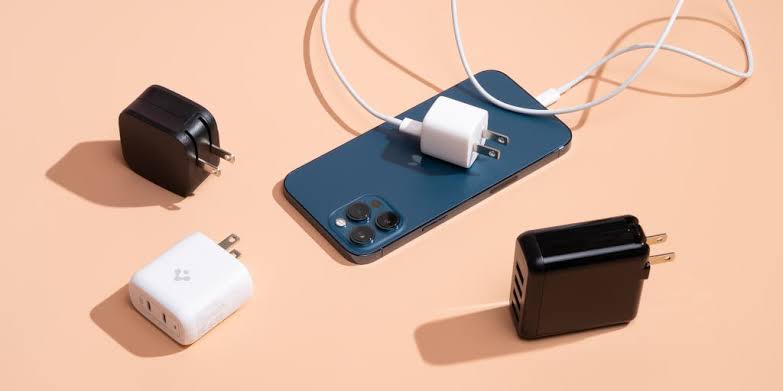
Walk through any Nigerian market and you’ll hear it repeatedly: “Original charger dey here!” But in reality, the word “original” has become one of the most misused marketing terms in Nigeria’s mobile accessory market.
This guide explains everything you need to know about phone chargers in Nigeria, how fake chargers enter the market, how they damage your phone, and how to protect yourself from wasting money or destroying your device.
If you’re interested in more mobile safety and tech guides, you can explore our related category here:
Tech & Gadgets
Why This Topic Matters More Than You Think
Most smartphone users in Nigeria unknowingly use fake or low-quality chargers. The effects are not immediate, which is why many people ignore the risks until it becomes expensive to fix.
Common issues caused by poor-quality chargers include:
- Slow charging speed even with fast charging phones
- Battery overheating during charging
- Sudden battery drain after full charge
- Battery swelling over time
- Charging port damage
What most people don’t realize is that the charger—not the phone—is often the main cause of these problems.
For more smartphone care guides, visit:
Make Money Online & Tech Insights
Understanding the Nigerian Charger Market
The charger market in Nigeria is highly unregulated, which makes it easy for counterfeit products to circulate. Many sellers mix original-looking packaging with fake internal components.
1. Repackaged Fake Chargers
These are the most common. A fake charger is placed inside a box that looks like a branded product. Once sold, the buyer assumes it is original.
2. High-Quality Counterfeits
These chargers are more dangerous because they look and feel almost identical to original ones. Even phone technicians sometimes struggle to differentiate them.
3. OEM-Confused Products
Some vendors use terms like “OEM,” “Taiwan,” or “UK used charger” to confuse buyers. These terms are often misleading and not proof of originality.
For related tech comparisons and device guides, see:
Product Reviews Section
How Fake Chargers Damage Your Phone
Fake chargers are not just low quality—they are dangerous to your device’s long-term health.
1. Voltage Instability
Cheap chargers cannot regulate power properly. This results in unstable voltage flow, which damages battery cells over time.
2. Heat Build-Up
Inferior materials cause overheating during charging. Excess heat is one of the fastest ways to degrade lithium batteries.
3. Slow Charging Cycles
Even if your phone supports fast charging, fake chargers reduce charging efficiency significantly.
4. Long-Term Battery Damage
Eventually, your battery capacity reduces, leading to frequent charging and poor phone performance.
Learn more about protecting your devices:
Phone Maintenance Guide
Signs You Are Using a Fake or Low-Quality Charger
Here are clear indicators that your charger may not be original:
- The charger feels unusually light
- It heats up quickly during use
- Charging speed is inconsistent
- The USB cable wears out quickly
- Brand name fades or peels off easily
- Phone shows “slow charging” warnings
For additional phone safety tips, read:
Phone Buying Safety Guide
How to Identify an Original Charger (Step-by-Step Guide)
Step 1: Buy from Trusted Sources
Always purchase chargers from authorized dealers or official brand stores.
Official brand websites include:
Step 2: Check Weight and Build Quality
Original chargers are usually heavier and more solid due to higher-quality internal components.
Step 3: Inspect Packaging Carefully
Look out for spelling errors, faded prints, or inconsistent logos.
Step 4: Verify Serial Numbers
Many original chargers come with verifiable serial numbers that can be checked online.
Step 5: Test Charging Performance
Original chargers maintain consistent charging speed and do not overheat easily.
Why Fake Chargers Are Still So Common in Nigeria
Several factors contribute to the spread of fake chargers:
- High demand for cheap accessories
- Lack of awareness among buyers
- Weak import regulation enforcement
- Profit-driven street vendors
For deeper insights into digital scams and product safety, visit:
Scam Awareness Guide
Price Differences: Original vs Fake Chargers
One of the biggest traps is pricing confusion.
- Fake charger: ₦1,000 – ₦3,000
- High-quality copy: ₦3,000 – ₦6,000
- Original charger: ₦8,000 – ₦25,000+
Many buyers assume expensive automatically means original, but that is not always true in street markets.
Long-Term Cost of Using Fake Chargers
Saving ₦2,000 today can cost you far more in the future.
Potential long-term costs include:
- Battery replacement: ₦15,000 – ₦40,000
- Charging port repair: ₦5,000 – ₦20,000
- Full phone replacement in extreme cases
Frequently Asked Questions (FAQ)
Are all cheap chargers fake?
Not all, but most cheap chargers in open markets are low-quality or counterfeit.
Can fake chargers damage new phones?
Yes. Even new flagship phones like Samsung Galaxy or iPhones can be damaged by unstable power supply.
Is fast charging proof of originality?
No. Many fake chargers mimic fast charging but fail under long-term use.
Where is the safest place to buy chargers in Nigeria?
Authorized stores, official brand outlets, or verified online retailers.
Final Thoughts
The term “original charger” has become one of the most abused phrases in Nigeria’s mobile accessory market. Many people lose money and damage their phones simply because they do not know what to look for.
The best protection is awareness. When you understand how chargers work and how fake ones are disguised, you naturally avoid scams.
For more detailed tech and mobile safety content, explore our blog section:
Infolandia Tech Guides
Remember: Your phone is an investment. Protect it with the right charger, not the cheapest one available.