Cloud computing has become one of the most important technologies shaping the digital world today. From online banking and e-commerce to entertainment and remote jobs, the cloud powers most of the services we use daily. In Nigeria, more businesses, students, freelancers, and developers are beginning to rely on cloud technology because of its flexibility, speed, and cost-effectiveness.
This guide explains what cloud computing is, how it works, the different types, and why it matters — especially for Nigerians looking to build careers, businesses, or online income opportunities.
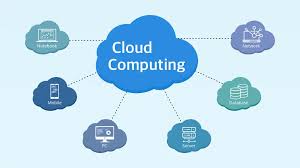
What Is Cloud Computing?
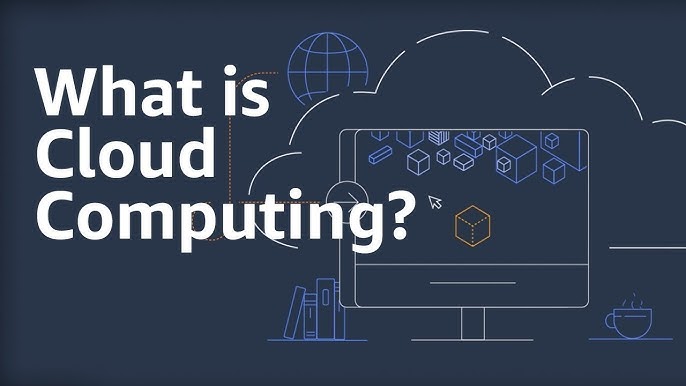
Cloud computing refers to the delivery of computing resources — servers, storage, databases, software, and networking — over the internet instead of physical devices.
Instead of buying expensive computers or managing your own servers, you simply access the tools you need online. Companies like Amazon Web Services (AWS), Google Cloud, and Microsoft Azure provide these services globally.
For Nigerians, cloud computing makes online business, remote work, and mobile app development easier because it reduces cost and speeds up deployment.
How Cloud Computing Works
Cloud providers run global data centers filled with high-performance computers. Users connect to these data centers via the internet. You only pay for what you use, making it affordable even for small startups.
Core Components
Storage
Networking
Processing power
Software applications
Security and backup systems
Monitoring and performance tools
Cloud technology also supports artificial intelligence, big data analytics, and remote collaboration tools.
For example, the analytics used in many businesses today is powered by the same type of online insights explained in our post on How To Use Google Analytics To Grow Online Business:
https://www.infolandia.com.ng/how-to-use-google-analytics-to-grow-online-business/
Why Cloud Computing Matters in Nigeria
Nigeria is experiencing rapid growth in the digital economy. Many businesses now run online stores, remote workplaces, and automated systems. Cloud computing helps in several ways:
1. Reduced Cost
Businesses do not need to buy expensive hardware. They simply subscribe to cloud services.
2. Better Performance
Cloud servers offer faster speeds than many local computers.
3. Remote Work Support
Many online jobs Nigerians do depend heavily on cloud tools. For example, translation jobs, tech writing, app development, and digital banking services operate through cloud systems.
See our post:
https://www.infolandia.com.ng/translation-jobs-online-for-nigerians/
4. Easy Scaling
Businesses in Lagos, Abuja, and Port Harcourt can expand online without rebuilding their systems.
5. Security and Data Backup
Leading cloud providers follow global standards including ISO and NIST guidelines.
Refer to the National Information Technology Development Agency (NITDA) for Nigerian cybersecurity policies.
Types of Cloud Computing
1. Infrastructure as a Service (IaaS)
You rent storage, servers, and networking.
2. Platform as a Service (PaaS)
You build apps without managing servers. This is useful for Nigerians developing mobile apps, similar to the strategies in:
https://www.infolandia.com.ng/how-to-make-money-online-by-developing-mobile-apps/
3. Software as a Service (SaaS)
You use cloud-based applications like Google Workspace, Canva, and CapCut.
See our reviews:
Canva Review 2025
https://www.infolandia.com.ng/canva-review-2025-is-it-still-the-best-free-design-tool/CapCut Review 2025
https://www.infolandia.com.ng/capcut-review-2025-the-best-free-video-editing-app/
Examples of Cloud Computing You Already Use
Netflix and YouTube streaming
Gmail and Yahoo Mail
Online banking apps
Virtual classrooms
Social media platforms
Ride-hailing apps like Bolt
Even popular Nigerian fintech platforms like PiggyVest and Kuda Bank rely on cloud infrastructure.
Learn more about these platforms here:
PiggyVest Review
https://www.infolandia.com.ng/piggyvest-review-save-and-invest-easily/Kuda Bank Review
https://www.infolandia.com.ng/kuda-bank-review-the-digital-bank-for-nigerians/
Benefits of Cloud Computing for Nigerian Businesses
1. Lower Startup Cost
Startups can launch without huge capital.
2. Business Continuity
Your data stays safe even during power issues or device damage.
3. Improved Customer Experience
Fast websites, smooth apps, and instant customer support depend on cloud infrastructure.
4. Easier Collaboration
Teams can work from anywhere.
This applies to both small businesses and large enterprises, including e-commerce sites, real estate companies, agencies, and content creators.
Cloud Computing and the Future of Work in Nigeria
Remote work will keep growing. Whether you’re a YouTuber, blogger, or app builder, cloud tech is essential. If you’re a content creator, you should review our guide on mistakes that can get you banned from YouTube:
https://www.infolandia.com.ng/mistakes-that-can-get-you-banned-on-youtube/
Challenges of Cloud Computing in Nigeria
Unstable power supply
Internet cost
Security concerns
Limited awareness
Poor local regulation
Despite these issues, cloud adoption is growing rapidly.
Useful Government and Global Outbound References
National Information Technology Development Agency (NITDA)
Nigeria Communications Commission (NCC)
International Telecommunication Union (ITU)
Microsoft Azure Cloud Documentation
Google Cloud Developers Site
Related Posts From Infolandia (Internal Links)
To boost SEO and help readers explore more topics:
How To Make Money Online Selling Digital Products
https://www.infolandia.com.ng/how-to-make-money-online-selling-digital-products/Using AI To Make Money Online
https://www.infolandia.com.ng/using-ai-to-make-money-online-practical-ways-for-nigerians/Why Lagos Never Sleeps
https://www.infolandia.com.ng/why-lagos-never-sleeps-nigerias-busiest-city/The Daily Struggle Of Power Supply In Nigeria
https://www.infolandia.com.ng/the-daily-struggle-of-power-supply-in-nigeria/
Final Thoughts
Cloud computing is no longer optional. Whether you are a business owner, student, content creator, or tech professional in Nigeria, the cloud gives you access to speed, security, innovation, and global opportunity. The sooner Nigerians embrace cloud platforms, the faster the digital economy will grow.
For more guides like this, explore our categories:
https://www.infolandia.com.ng/category/make-money-online/
https://www.infolandia.com.ng/category/app-product-reviews/
https://www.infolandia.com.ng/category/nigerian-life/
https://www.infolandia.com.ng/category/how-to-guides/
https://www.infolandia.com.ng/jobs/
https://www.infolandia.com.ng/category/uncategorized/