n Nigeria today, students rely heavily on digital tools for schoolwork, assignments, presentations, and research. From typing projects to downloading lecture notes, one thing is constant — the need to store and move files easily.
For many years, USB flash drives have been the most popular option. But with the rise of cloud technology, a new question is becoming important:
Is cloud storage safer and better than USB sticks for students in Nigeria?
The short answer is yes — and in this guide, we will explain why in detail.
What is Cloud Storage?
Cloud storage is a system that allows you to save your files online instead of on a physical device like a USB stick or hard drive.
Popular cloud storage platforms include:
- Google Drive
- Microsoft OneDrive
- Dropbox
- iCloud
With cloud storage, your files are stored on secure internet servers and can be accessed from any device — phone, laptop, or tablet — as long as you have internet access.
Learn more about digital tools shaping modern learning in Nigeria here:
How Technology Is Changing Everyday Life in Nigeria
What is a USB Flash Drive?
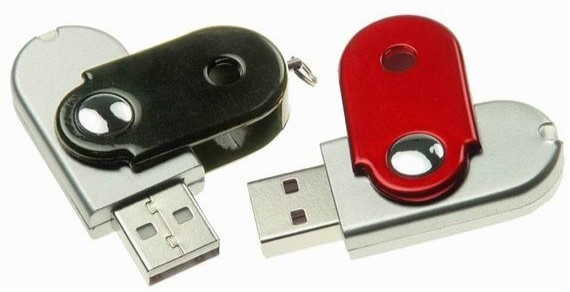
A USB flash drive (or memory stick) is a small physical device used to store and transfer files.
Students commonly use it to:
- Save school assignments
- Transfer files between systems
- Submit project work
While USB drives are convenient, they come with serious risks — especially in Nigeria where device loss, theft, and corruption of files are common.
Why Cloud Storage is Safer Than USB Sticks
1. No Risk of Physical Loss
One of the biggest problems with USB sticks is loss. In Nigeria, students frequently misplace them on campus, in transport, or at home.
Once lost, all files are gone permanently.
Cloud storage solves this problem because your files are stored online — not physically.
This makes it especially useful for students managing multiple school projects or side work like freelancing.
For example, many students now combine studies with online earning opportunities like:
How to Earn in Dollars as a Virtual Assistant in Nigeria
2. Protection Against File Corruption
USB drives are easily corrupted due to:
- Sudden removal
- Virus attacks
- Power issues during file transfer
When this happens, files become unreadable or completely lost.
Cloud storage platforms, on the other hand, automatically back up your files and reduce the risk of corruption.
Even if your laptop crashes, your files remain safe online.
3. Access From Anywhere
With cloud storage, you are not limited to one device.
You can access your files from:
- Your phone
- Any laptop
- Cyber cafes
- School computer labs
This flexibility is extremely useful for Nigerian students who move between home and school frequently.
4. Better Collaboration for Group Projects
Group assignments are common in Nigerian universities and secondary schools.
With cloud storage, students can:
- Edit documents together in real time
- Share links instead of USB drives
- Track changes easily
Tools like Google Docs and Google Drive make collaboration faster and more organized.
5. Protection Against Viruses
USB sticks are one of the most common ways viruses spread between computers in Nigeria.
When you plug a USB into a cyber cafe computer or shared system, you risk:
- Data theft
- File corruption
- Malware infection
Cloud storage reduces this risk because files are not physically transferred between devices.
6. Automatic Backup
Cloud storage automatically saves copies of your files.
This means:
- You don’t need to manually back up files
- Deleted files can often be recovered
- Old versions can be restored
This is very important for students working on final year projects or long research papers.
Limitations of Cloud Storage in Nigeria
Even though cloud storage is better, it is not perfect. Some challenges include:
- Internet dependency
- Data costs
- Slow upload/download speeds in some areas
However, with the growth of internet infrastructure in Nigeria, these challenges are reducing over time.
According to the Nigerian Communications Commission, internet access continues to expand across the country.
USB Stick vs Cloud Storage: Quick Comparison
- Safety: Cloud storage wins
- Accessibility: Cloud storage wins
- Offline use: USB wins
- Risk of loss: USB is high risk
- Backup: Cloud storage wins
Best Cloud Storage Options for Students
Google Drive
Free 15GB storage and easy integration with Gmail and Android phones.
Microsoft OneDrive
Great for students using Microsoft Office tools like Word and Excel.
Dropbox
Simple interface and reliable file sharing features.
How Cloud Storage Helps Students Earn Online
Many Nigerian students now use cloud storage to support online work and side hustles.
For example, students involved in freelancing, digital marketing, or virtual assistant jobs rely heavily on cloud tools to manage files.
Learn more here:
How to Use Your Laptop to Teach Online Classes in Nigeria
You can also explore:
Best ChatGPT Prompts for Business in Nigeria
Final Thoughts
While USB flash drives are still useful, they are no longer the safest option for students in Nigeria.
Cloud storage offers:
- Better security
- Easy access
- Automatic backup
- Collaboration tools
If you are a student in Nigeria, switching to cloud storage is one of the smartest digital decisions you can make in 2026.
It not only protects your files but also prepares you for a more digital future.