Choosing the right washing machine can be confusing, especially when deciding between front load and top load designs. Both types clean clothes effectively, yet they differ significantly in performance, maintenance, cost, and space requirements. Therefore, understanding these differences helps you make a smarter purchase — whether for your home or a small business in Nigeria.
In this guide, we explain the key differences between front load and top load washing machines, outline the advantages and disadvantages of each, and offer tips on how to pick the one that suits your needs best.
What Is a Front Load Washing Machine?
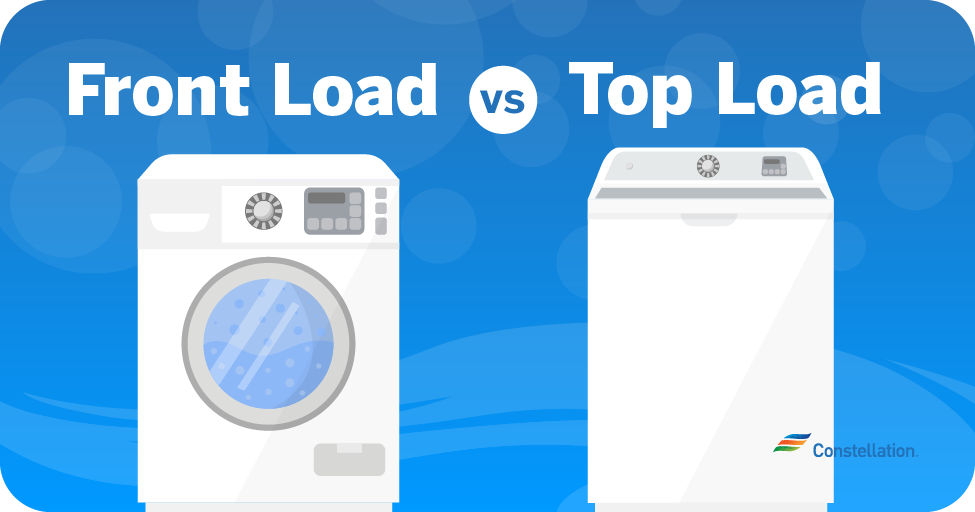
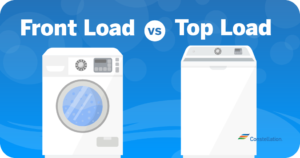
A front load washing machine has a door on the front through which laundry is loaded. This design is more common in Europe and has grown in popularity worldwide due to its energy efficiency and gentle wash action.
Because water fills the drum slowly and clothes tumble through it, front loaders use less water and detergent compared to top loaders. In addition, many front load machines offer advanced wash settings, steam cycles, and better spin speeds that remove more moisture from clothes.
For energy efficiency insights across appliances, visit the U.S. Department of Energy’s appliance guide:
https://www.energy.gov/energysaver/washing-machines
What Is a Top Load Washing Machine?
In contrast, top load washing machines have doors on the top, allowing laundry to be loaded from above. These models are popular in many parts of Africa, including Nigeria, because they are easy to load and unload without bending over.
Meanwhile, traditional top loaders use an agitator or high-efficiency impeller to move clothes during the wash cycle. As a result, they typically wash faster per cycle and are easier to use for large families with frequent laundry needs.
For global machine reviews and comparisons, see:
https://www.consumerreports.org/cro/washing-machines.htm

Front Load vs. Top Load: Key Differences
Understanding the key distinctions helps you decide which type suits your lifestyle and budget.
1. Water and Energy Efficiency
Front load machines are generally more water-efficient and energy-efficient than top load models. Consequently, they use less water per cycle and lower electricity during spinning.
On the other hand, traditional top loaders tend to use more water and energy, although some newer high-efficiency top loaders have narrowed this gap.
According to the Energy Rating Council, front loaders often score higher on efficiency tests:
https://www.energyrating.gov.au
2. Cleaning Performance and Fabric Care
Front load washers typically use tumbling action that is gentler on fabrics. As a result, they reduce wear and tear on clothes, especially delicate items.
By contrast, top load machines with agitators may be rougher on fabrics but sometimes wash heavily soiled clothes faster.
For fabric care tips and laundry science, the Textile World journal offers helpful insights:
https://www.textileworld.com
3. Wash Time and Convenience
Top loaders usually complete wash cycles faster than front loaders. Therefore, if you value shorter wash times, a top load machine might be more convenient.
Additionally, loading and unloading clothes in a top loader is often easier for users who have mobility concerns or back problems.
Transitioning to front loaders usually requires bending or kneeling — something that might matter for older adults or people with injuries.
4. Space and Installation
Front load washing machines can be stacked with a dryer, saving floor space in smaller homes or apartments.
In contrast, top load units require clear vertical space as their lids open upward. Hence, they may not fit comfortably under shelves or cabinets.
For measurements and home appliance spacing guidelines, check Home Depot’s appliance planning guide:
https://www.homedepot.com/c/ab/appliance-buying-guide
5. Price and Long-Term Costs
In many markets, front loaders are priced higher than basic top loaders. Nevertheless, they tend to save money over time through reduced water and energy bills.
Conversely, basic top loaders are usually less expensive upfront, which can make them appealing for budget-conscious buyers. However, long-term utility costs may offset that initial savings.
For additional research on costs and total ownership, the Appliance Standards Awareness Project offers comparative studies:
https://applianceproject.org
Front Load Pros and Cons
Pros:
-
Water and energy efficient
-
Better fabric care
-
Higher spin speeds remove more moisture
-
Stackable design saves space
Cons:
-
Higher initial cost
-
Longer wash cycles
-
Bending required to load/unload
-
Doors may develop mold if not dried regularly
Top Load Pros and Cons
Pros:
-
Easier to load/unload
-
Shorter wash cycles
-
Often lower purchase price
-
Comfortable for users with mobility needs
Cons:
-
Uses more water and energy (traditional models)
-
Less space-saving flexibility
-
May be harsher on delicate fabrics
How to Choose the Best Washing Machine
To make the best choice for your household, consider these factors:
-
Household size: Larger families may benefit from bigger drums.
-
Laundry frequency: Frequent washing favors efficiency and durability.
-
Budget: Evaluate both upfront costs and long-term utility savings.
-
Space: Check whether your laundry area can accommodate either design.
-
Energy costs: High efficiency units make more sense where electricity is expensive.
You can explore current washing machine options and deals here:
You might also compare appliance pricing on trusted local retailers such as Jumia and Slot:
https://www.jumia.com.ng
https://slot.ng
Washing Machines and Nigerian Homes
Appliances like washing machines have become increasingly popular in urban Nigerian homes due to rising disposable incomes and changing lifestyles. Nonetheless, inconsistent power supply remains a challenge.
To mitigate this, many households invest in stabilizers or inverters, ensuring consistent performance and reducing repair costs over time.
For more home appliance advice and lifestyle content, see:
Final Thoughts
In summary, front load and top load washing machines each have unique strengths. Front loaders excel in energy efficiency, fabric care, and space-saving options, while top loaders shine in convenience, speed, and upfront affordability.
Ultimately, the best choice depends on your specific needs, space constraints, and budget. By understanding the differences covered in this guide, you can confidently pick a washing machine that fits your home and lifestyle.
For more appliance comparisons and review guides, explore: