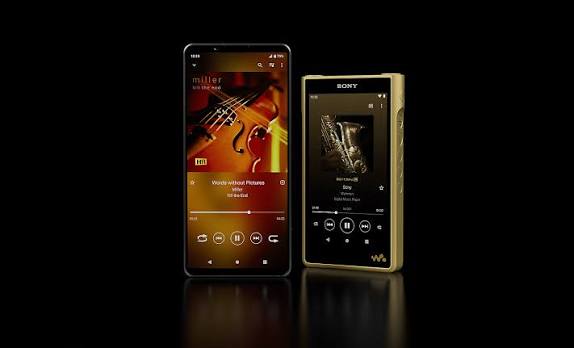
Announced in May 2025, the Xperia 1 VII targets people who care about photography, video production, music, and a more hands-on smartphone experience. Its standout features include a larger ultrawide camera sensor, continuous optical zoom, AI-assisted video framing, a 3.5mm headphone jack, and a 5,000mAh battery.
However, the phone also raises some important questions. Is its Full HD+ display good enough at this price? Does its camera system justify choosing Sony over Samsung, Apple, or Google? Can Nigerian buyers find a suitable model with reliable warranty support? And with newer flagship phones on the market in 2026, does the Xperia 1 VII still make financial sense?
This guide examines the specifications, practical benefits, limitations, and buying considerations to help you decide. It is based on published specifications and product information, not a claim of hands-on testing.
Thinking of buying one? Before paying a seller, compare the exact model, storage capacity, network compatibility, warranty, and return policy. The Xperia 1 VII is a specialist flagship, so buying the right variant matters just as much as choosing the phone itself.

Sony Xperia 1 VII at a Glance
| Feature | Specification |
|---|---|
| Display | 6.5-inch LTPO OLED, 120Hz, 1080 × 2340 resolution |
| Processor | Qualcomm Snapdragon 8 Elite |
| RAM | 12GB in the commonly listed 256GB model; configurations vary by market |
| Storage | 256GB or other market-dependent configurations, with microSDXC support |
| Main camera | 48MP effective, with a 1/1.35-inch Exmor T sensor |
| Ultrawide camera | 48MP effective, with a larger 1/1.56-inch sensor |
| Telephoto camera | 12MP, continuous optical zoom from approximately 85mm to 170mm |
| Front camera | 12MP |
| Battery | 5,000mAh |
| Charging | USB Power Delivery fast charging and Qi wireless charging |
| Audio | 3.5mm headphone jack, stereo speakers and high-resolution audio features |
| Operating system at launch | Android 15 |
| Protection | IP65/IP68-rated dust and water resistance |
Specifications can differ between regional models. For the most reliable details, consult Sony’s official Xperia 1 VII specifications before purchasing.
Design and Build Quality: A Flagship That Keeps Things Practical
The Sony Xperia 1 VII follows the brand’s recognisable design direction. Rather than using an oversized camera island and a display cutout, Sony maintains a relatively understated appearance with a tall screen and visible borders around the display.
The phone measures approximately 162 × 74 × 8.2mm and weighs about 197g. That makes it a substantial device, but it remains relatively manageable compared with some larger premium phones. Its textured finish and traditional layout may appeal to buyers who prefer function over flashy styling.
The front uses Corning Gorilla Glass Victus 2, while the rear uses Gorilla Glass Victus. An aluminium frame provides the structure around the device. These materials give the phone a premium construction, although glass can still crack when dropped. A protective case remains a sensible purchase.
Sony lists IP65 and IP68 protection for dust and water resistance. These ratings offer useful protection under specified test conditions, but they do not make the phone indestructible or suitable for every water-related situation. Resistance can also deteriorate through wear, repairs, or physical damage.
For Nigerian buyers, this matters because a phone may encounter dust, rain, crowded transport, and frequent movement between indoor and outdoor environments. A good case and careful handling can help protect your investment.
Does it have a headphone jack?
Yes. The Xperia 1 VII retains a 3.5mm headphone jack, an increasingly rare feature among expensive smartphones. If you own wired studio headphones, in-ear monitors, or a reliable pair of everyday earphones, you can connect them without relying on a USB-C adapter.
This is especially useful for musicians, editors, commuters, and anyone who prefers wired listening. You can also continue using compatible headphones you already own instead of purchasing a separate wireless pair.
However, the headphone jack alone should not determine your purchase. Consider the full package, including sound quality, software support, battery performance, and price.
Display Review: A Bright 120Hz OLED Screen
The Xperia 1 VII has a 6.5-inch LTPO OLED display with a resolution of 1080 × 2340 pixels and a refresh rate of up to 120Hz. Sony also incorporates display technologies influenced by its BRAVIA television expertise.
OLED technology allows individual pixels to produce their own light. As a result, dark scenes can look deep, and contrast can be strong. This is useful when watching films, reviewing photos, or editing footage in a suitable environment.
The 120Hz refresh rate can make scrolling and supported animations look smoother than on a conventional 60Hz display. It can also improve the responsiveness of compatible games, although actual gaming performance depends on the title, processor load, and software optimisation.
Sony promotes improved brightness and outdoor visibility on this model. That is relevant for users who frequently use their phones outdoors, whether they are navigating, recording content, or reading messages in daylight.
Is Full HD+ resolution a disadvantage?
It depends on what you expect from a premium phone. A 1080 × 2340 display can deliver a sharp image at normal viewing distances, and the 120Hz refresh rate contributes to a smooth experience. Nevertheless, some competing flagship phones offer higher resolutions.
If you frequently inspect fine details in photographs, read small text, or prefer very high pixel density, compare the Xperia directly with alternatives before spending your money. Do not assume that a premium price automatically means the highest display resolution in its class.
For films, social media, browsing, and everyday productivity, the Xperia’s OLED panel still offers an appealing combination of contrast, colour, and smoothness.
Camera Review: The Main Reason to Consider the Xperia 1 VII
Sony has long drawn on its experience with Alpha cameras when developing Xperia phones. The Xperia 1 VII continues that approach with a multi-camera system intended for people who want more control over photography and video.
The rear system includes a main camera, an ultrawide camera, and a telephoto camera with continuous optical zoom. Rather than judging the phone by megapixels alone, it is more useful to consider what each camera can do and how it fits your shooting style.
48MP main camera
The main camera uses a 48MP effective sensor based on Sony’s Exmor T for mobile technology. Its relatively large sensor and optical image stabilisation are designed to support detailed photographs in a variety of conditions.
For everyday photography, this camera is suitable on paper for portraits, street scenes, family events, products, and travel. Optical image stabilisation helps reduce the effect of small hand movements, particularly when light levels fall and the camera needs a longer exposure.
Image quality also depends on processing, focus, exposure, lighting, and the photographer’s technique. A large sensor cannot guarantee a perfect photograph in every situation. If you are buying the phone mainly for photography, compare sample images from trusted reviewers under similar conditions rather than relying entirely on specification tables.
The upgraded ultrawide camera
One of the Xperia 1 VII’s important camera changes is its larger ultrawide sensor. Sony lists a 48MP effective ultrawide camera with a 1/1.56-inch sensor. This is a meaningful feature for people who regularly photograph landscapes, buildings, interiors, groups, or scenes where stepping backwards is not practical.
Ultrawide cameras often struggle more than main cameras when the light becomes poor. A larger sensor can help collect more light, although the final result still depends on the lens, exposure, image processing, and shooting conditions.
For Nigerian creators, this camera may be useful for recording a small business space, photographing products, capturing events, or creating wide shots for YouTube and social media. It can also reduce the need to switch to a separate camera for every type of scene.
Continuous optical zoom from 85mm to 170mm
The telephoto camera is another standout feature. Sony lists continuous optical zoom across approximately 85mm to 170mm equivalent focal lengths. This range gives you more flexibility when photographing distant subjects than a simple fixed telephoto camera might offer.
For example, you could use the telephoto camera to frame a performer on stage, capture details in architecture, or photograph a subject without moving physically closer. It can also be useful for portraits when you want a tighter composition.
Optical zoom and digital zoom are not the same. Optical zoom changes the lens’s focal length, while digital zoom enlarges or crops the captured image. Digital processing can produce useful results, but it cannot recover every detail that a genuine optical system captures.
Still, zoom performance should be assessed across the entire range. Low-light scenes, moving subjects, and longer focal lengths can challenge a smartphone camera. Look for sample photographs at different zoom levels before making your final decision.
AI Camerawork and Auto Framing
The Xperia 1 VII introduces AI-assisted features designed to make video recording easier. AI Camerawork helps keep a moving subject framed, while Auto Framing can create a tighter crop around the subject as the phone records a wider scene.
These features can be useful when recording yourself, filming an active subject, or capturing a moment without continuously adjusting the phone’s position. For a solo content creator, that may reduce the need for a second person to operate the camera.
However, automatic framing is not a replacement for planning a shot. The phone still needs a suitable position, enough light, and a clear view of the subject. You should also review the recorded footage to make sure the framing looks natural and the subject remains visible.
4K video and creative controls
Sony lists 4K HDR video recording at supported frame rates up to 120 frames per second on the rear camera, along with stabilisation and tracking features. High frame rates can be useful for creating slow-motion footage, although recording modes and quality settings may vary.
The phone also supports creative features such as S-Cinetone for mobile, Pro Video, subject tracking, and product-focused recording settings. These tools may appeal to users who want to create social videos, product demonstrations, short films, or behind-the-scenes footage.
For a small business owner, a capable smartphone camera can reduce the need to purchase a dedicated camera immediately. You could record product clips, capture promotional footage, or create tutorials directly on the device.
Nevertheless, consider your entire production workflow. Long 4K recordings consume storage, and editing high-resolution footage can require significant processing power. A suitable microphone, stable support, lighting, and an efficient editing workflow can be just as important as the phone itself.
Read Sony’s official camera and video specifications for the supported modes and technical details.
Performance: Snapdragon 8 Elite for Demanding Tasks
The Xperia 1 VII uses Qualcomm’s Snapdragon 8 Elite mobile platform, a high-end processor designed for demanding smartphone workloads. Combined with 12GB of RAM in the commonly listed 256GB model, it provides a strong foundation for multitasking, gaming, image processing, and video editing.
For everyday users, this means you should have the hardware needed to switch between browsers, messaging apps, productivity tools, and media applications. Performance in specific tasks will still depend on the software, memory usage, thermal conditions, and the application itself.
Gamers may appreciate the powerful processor and 120Hz screen. However, a high-end chipset does not guarantee that every game will run at its maximum graphics settings continuously. Some games restrict frame rates, while demanding sessions can increase heat and battery consumption.
Content creators may benefit from the extra processing power when editing photographs, exporting clips, or using camera features. Yet storage space and thermal behaviour also matter when handling long or complex projects.
For more details about the processor family, visit Qualcomm’s official Snapdragon 8-series information.
Storage: A Useful Advantage for Creators
Storage is easy to overlook when buying a smartphone, but it can become a problem quickly if you record videos or keep large media libraries. Sony offers 256GB in the commonly listed base configuration, with other configurations available in certain markets.
The Xperia 1 VII also supports microSDXC storage expansion, a feature that many premium smartphones no longer provide. Sony lists support for microSDXC cards up to 2TB in its specifications, subject to card compatibility and other limitations.
This gives creators an additional way to manage photos, videos, music, and other files. It can also reduce the need to delete older content simply to make room for new recordings.
However, a memory card is not a complete backup strategy. It can be lost, damaged, or corrupted. Keep important files in at least one additional location, such as a computer or trusted cloud storage service.
If you want to understand your options, read Infolandia’s guide on cloud storage and file safety. The same principles apply to protecting photos and video projects on a smartphone.
Battery Life and Charging
The Xperia 1 VII has a 5,000mAh battery. Sony promotes up to two days of battery life under its stated usage conditions, but actual endurance depends on how you use the phone.
Reading messages, browsing lightweight websites, and listening to music generally place different demands on a battery than recording 4K video, playing graphically intensive games, or using navigation for long periods.
For someone who records content outdoors, battery management is particularly important. Camera use, screen brightness, mobile data, and video processing can drain power faster than basic messaging. A portable charger may be useful if you spend long periods away from a power source.
The phone supports USB Power Delivery fast charging and Qi wireless charging. Charging speed depends on the compatible charger, cable, temperature, and charging conditions. Check Sony’s guidance before purchasing a separate charger, and do not assume that a high-wattage adapter will make the phone charge at that full rate.
To help preserve battery health, avoid unnecessary heat, use suitable charging equipment, and review background applications that consume excessive power. Infolandia’s guide to extending smartphone battery life offers more practical suggestions.
Audio Quality: A Strong Reason to Choose Sony
Audio is one area where the Xperia 1 VII offers a distinctive package. It includes a 3.5mm headphone jack, stereo speakers, high-resolution audio support, and Sony’s audio processing technologies.
The wired headphone connection is particularly useful for people who already own quality headphones. You can listen to music, monitor audio, or connect compatible wired earphones without relying on a separate adapter.
The phone also supports wireless audio technologies, including LDAC and compatible aptX formats. Actual performance depends on the headphones, audio source, settings, and Bluetooth connection.
Sony’s Walkman heritage is reflected in the device’s focus on sound quality. Still, the final listening experience depends on the audio file, streaming service, headphones, and your preferences. Buyers who mostly use basic Bluetooth earbuds may not benefit from every advanced audio feature.
If audio is a major reason for buying this phone, compare it with your current device using the headphones you intend to keep. That is a more useful test than choosing a phone based only on a list of supported audio formats.
Software, Android Updates and Long-Term Support
The Xperia 1 VII launched with Android 15. Sony’s published specifications for the model list four operating-system upgrades and six years of security updates. The actual update status at the time you purchase should be checked against Sony’s current support information and your particular regional variant.
Software support matters because a premium phone is often expected to last several years. Updates can introduce new features, fix bugs, and address security vulnerabilities. However, update timing may vary by market, carrier, and device configuration.
Before buying an imported unit in Nigeria, check the exact model number and confirm that it is eligible for the relevant software updates. Also verify whether the device has been modified, rooted, or sold with software that differs from the expected factory configuration.
Visit Sony’s Xperia 1 VII support page for product documentation and available support information.
Sony Xperia 1 VII Price in Nigeria
The price of the Sony Xperia 1 VII in Nigeria can vary considerably depending on the seller, storage configuration, import costs, exchange rates, warranty, and whether the phone is new or pre-owned.
Sony’s official regional product pages do not provide one universal Nigerian retail price. As a result, third-party listings should be treated as estimates rather than an official price. Some websites may display expected prices that do not reflect stock currently available from a reliable seller.
For that reason, I would not recommend committing to a purchase based on a single online price. Contact multiple sellers and request the full model number, storage configuration, condition, warranty details, and return policy. Confirm that the phone is physically available before transferring money.
When comparing offers, distinguish between a brand-new unit, an opened-box device, a refurbished phone, and a used import. These products can have different values even when the model name is identical.
What affects the price?
- Storage configuration: Higher-capacity models may cost more than the base version.
- Condition: New, refurbished, and used devices should not be priced as if they were equivalent.
- Warranty: A seller’s warranty and access to local repairs may affect the overall value.
- Import costs: Exchange rates, shipping, and duties can influence local retail prices.
- Availability: Limited stock can lead to large differences between sellers.
If a seller advertises a price far below other offers, ask why. Check the IMEI and model details where appropriate, inspect the device, test its cameras and ports, and confirm that the seller has a clear return policy.
Important Buying Warning: Check the Device’s History
The Xperia 1 VII had reports of early units experiencing unexpected shutdowns and power-related problems in 2025. Sony investigated the issue and announced a replacement programme for affected units in certain markets. Sales were subsequently resumed in affected regions after Sony’s investigation and corrective actions.
This history does not mean every Xperia 1 VII is faulty. However, it makes careful checking especially important when purchasing a used or imported device. Ask the seller whether the unit is affected by any relevant service notice and whether it has been replaced or serviced under an official programme.
Do not assume that every country has the same replacement terms. Programmes may be limited by market, purchase history, model number, or eligibility requirements. Check the official support information for the region in which the phone was originally sold.
Before paying, test the phone thoroughly. Restart it several times, inspect the charging port, test mobile connectivity and Wi-Fi, use all camera lenses, check the headphone jack, and make sure the battery behaves normally. For a used phone, request proof of purchase where possible and confirm the seller’s return conditions in writing.
For general advice on evaluating second-hand devices, read Infolandia’s guide to buying used phones in Nigeria.
Who Should Buy the Sony Xperia 1 VII?
Content creators and mobile videographers
The Xperia 1 VII deserves consideration if you record a lot of video and want features such as 4K recording, tracking, automatic framing, and flexible zoom. The headphone jack and expandable storage can also make it more convenient for some creative workflows.
However, check the editing apps you use and how they perform on the device. If your work involves long recording sessions, consider a microphone, tripod, lighting, and external backup storage as part of the total budget.
Photography enthusiasts
Photographers who value manual controls, multiple focal lengths, and Sony’s camera-oriented approach may find the Xperia appealing. The larger ultrawide sensor and continuous optical zoom provide flexibility for different scenes.
Nevertheless, the best camera phone is not the one with the longest feature list. Compare actual image samples and consider how consistently the phone captures moving subjects, handles skin tones, and performs at night.
Music lovers
If you own wired headphones or care about high-resolution audio, the Xperia’s audio features are compelling. You can keep using compatible wired headphones while also benefiting from its wireless audio support.
Power users and gamers
The Snapdragon 8 Elite processor, 12GB of RAM in the common base configuration, and 120Hz display provide a strong hardware foundation for demanding applications and games.
However, compare thermal behaviour, sustained gaming performance, and software support with current alternatives. A powerful chipset does not automatically make a phone the best choice for every gamer.
Who Should Avoid It?
The Xperia 1 VII may not be the right choice for everyone. Consider another device if any of the following describes you.
- You want the lowest possible price: This is a premium phone, and a midrange device may meet your needs for much less money.
- You prefer the highest-resolution display: The Xperia’s 1080 × 2340 panel may not appeal to buyers who prioritise QHD-class resolution.
- You want a simple point-and-shoot camera: Compare camera samples and usability before assuming Sony’s creator-oriented approach is right for you.
- You need guaranteed local repair support: Confirm warranty coverage and parts availability before buying an imported model.
- You want the newest available flagship: Newer generations exist, so compare the Xperia 1 VII with current models before spending flagship money on an older generation.
Sony Xperia 1 VII vs Samsung and Other Flagship Phones
The Xperia 1 VII competes in a market where premium phones offer powerful processors, high-quality displays, capable cameras, and long software support. Its appeal comes from a particular combination of features rather than an obvious victory in every category.
| Buying priority | What to compare |
|---|---|
| Photography | Daylight and low-light samples, portraits, moving subjects, zoom quality, and ultrawide performance. |
| Video creation | Recording modes, stabilisation, autofocus, audio input, heat, and editing workflow. |
| Gaming | Chipset performance, sustained frame rates, thermal behaviour, display refresh rate, and battery use. |
| Media consumption | Display quality, speakers, headphone support, streaming compatibility, and battery endurance. |
| Long-term ownership | Security updates, warranty, repair costs, parts availability, and resale value. |
| Value for money | Current local prices, included accessories, storage, warranty, and the cost of competing phones. |
For more comparisons, read Infolandia’s guides to iPhone vs Samsung and the best smartphones to buy in Nigeria.
These comparisons can help you establish your priorities before visiting a retailer. If you are deciding between two expensive phones, write down the three features you will use most often and compare those features first.
Frequently Asked Questions
When was the Sony Xperia 1 VII released?
Sony announced the Xperia 1 VII in May 2025, with availability beginning in selected markets during 2025. Availability and sales dates vary by region.
Does the Sony Xperia 1 VII support 5G?
Yes, the phone supports 5G connectivity. However, compatibility with a particular Nigerian mobile network depends on the exact model variant and the frequency bands used by the network. Confirm these details before purchasing an imported unit.
Does it have expandable storage?
Yes. Sony lists microSDXC support, including cards up to 2TB under its specifications. Check card compatibility and the SIM-slot arrangement for your exact model.
Is the Sony Xperia 1 VII waterproof?
It has IP65/IP68 dust and water resistance, but that does not make it completely waterproof. Avoid exposing it to conditions outside the manufacturer’s guidance, and remember that resistance may diminish through wear or damage.
Is the Xperia 1 VII good for gaming?
Its Snapdragon 8 Elite processor and 120Hz OLED display make it suitable for demanding games. Actual performance varies by game, settings, temperature, and software optimisation.
Can I use it for YouTube content creation?
Yes. Its high-resolution video recording, subject tracking, AI-assisted framing, and multiple camera focal lengths can help with mobile video production. A suitable microphone, lighting, stable support, and an editing workflow will still make a difference.
Does it come with a charger?
In-box accessories can vary by market and retailer. Confirm the contents of the exact package before buying, and check Sony’s charging recommendations if you need to purchase a separate adapter or cable.
Is the Sony Xperia 1 VII worth buying in 2026?
It can be worth considering for buyers who specifically want its camera system, continuous optical zoom, wired headphone jack, and expandable storage. However, compare its current price with newer flagship phones, verify software support, and carefully check the device’s history before purchasing.
Final Verdict: Should You Buy the Sony Xperia 1 VII?
The Sony Xperia 1 VII is a distinctive premium smartphone. Its strongest advantages include its creator-focused camera features, larger ultrawide sensor, continuous optical zoom, 4K video options, Snapdragon 8 Elite processor, 3.5mm headphone jack, and expandable storage.
These features make it particularly interesting for photography enthusiasts, mobile videographers, music lovers, and users who want more control over their smartphone experience.
However, its premium positioning means you should examine the price carefully. The Full HD+ display may not satisfy every buyer, and the cost of importing one into Nigeria can make it less attractive than other flagships. Its early hardware issues also make it sensible to verify the device’s model, condition, and service history before paying.
My buying recommendation: Consider the Xperia 1 VII if you will genuinely use its specialist camera, audio, and storage features. If you mainly need a phone for social media, messaging, streaming, and everyday photography, compare less expensive alternatives before spending this much.
Before completing your purchase, compare offers from reputable sellers, inspect the exact variant, verify warranty coverage, and confirm the return policy. A good deal is not simply the lowest advertised price; it is a phone that meets your needs and comes with acceptable risks and support.
For further research, start with Sony’s official Xperia 1 VII product page and Sony’s full technical specifications. Then compare the current local price and warranty terms before deciding whether this flagship deserves your money.