If you are shopping for a smartphone mainly because you want a better camera, megapixels should not be the only thing you look at. A 200MP camera can sound impressive on a specification sheet, yet the actual results depend on the sensor, lens quality, image processing, stabilization, autofocus, software, and the conditions in which you take your photos.
That is why choosing a camera phone in 2026 requires a different approach. Some phones are particularly interesting for low-light photography. Others are better suited to long-distance zoom, portraits, social-media videos, selfies, or professional-looking video footage.
For Nigerian buyers, there is another important consideration: price. A phone that takes excellent photographs but costs far beyond your budget may not be the right purchase. You also need to consider battery life, storage, durability, network connectivity, after-sales support, and how much the phone costs locally.
In this guide, we look at some of the most interesting camera-focused smartphones available in 2026 and explain what makes each type of device worth considering.
What Makes a Phone Camera Good in 2026?
Before looking at individual phones, it helps to understand what actually determines camera quality.
The first thing many buyers notice is megapixel count. However, megapixels are only one part of the equation. Sensor size, aperture, stabilization, autofocus, lens quality, and image-processing algorithms can have a major effect on the final photograph.
A good camera phone should ideally offer a combination of:
- A capable main camera sensor.
- Reliable optical image stabilization.
- Fast and accurate autofocus.
- A useful ultrawide camera.
- A genuine telephoto camera for optical zoom.
- Good low-light processing.
- Natural-looking portrait photography.
- Strong video stabilization.
- Good microphone quality for video recording.
- Useful manual or professional camera controls.
For more general smartphone buying advice, see our 2026 smartphone buying guide for Nigeria.
Best Camera Phones to Consider in 2026
The phones below target slightly different types of camera users. Rather than assuming that one device is perfect for everyone, consider the type of photography and video you actually do.
Samsung Galaxy S26 Ultra: A Camera Phone Built Around Zoom
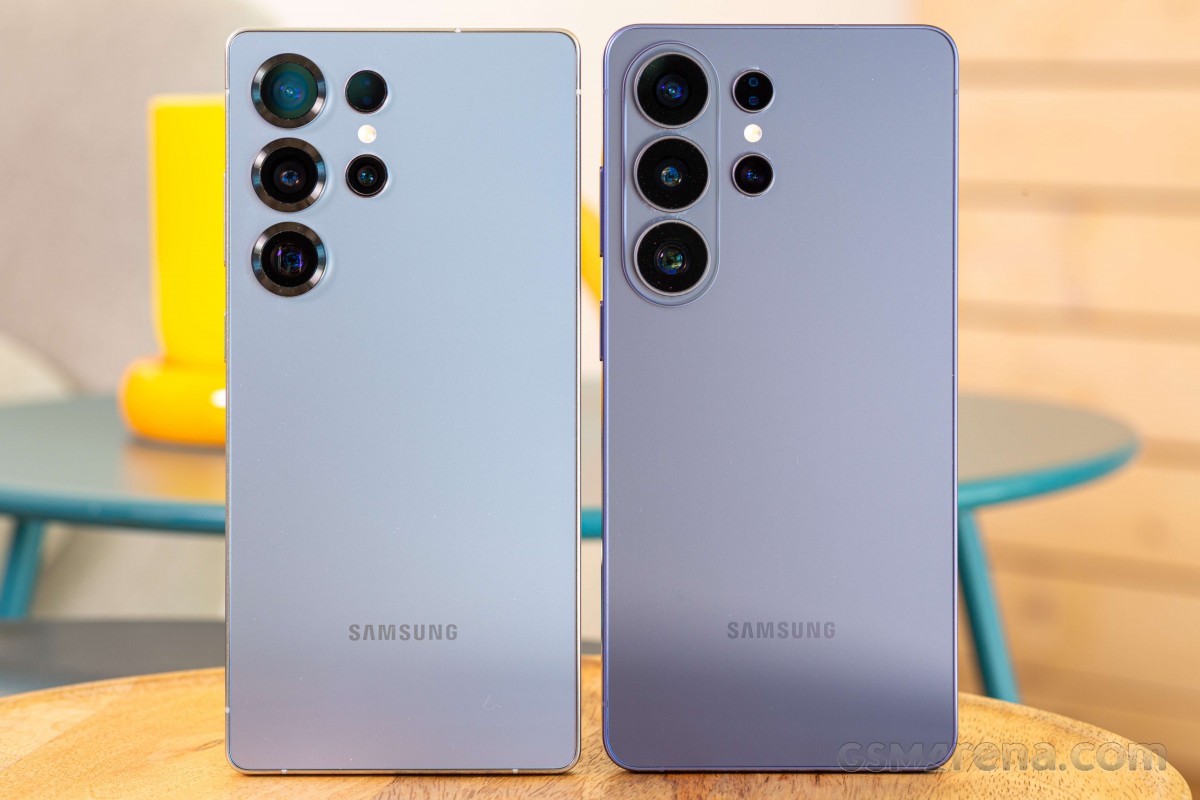
The Samsung Galaxy S26 Ultra is particularly interesting if zoom photography is important to you. Samsung’s current flagship camera system combines a 200MP main camera with a 50MP ultrawide camera, a 50MP telephoto camera with 5x optical zoom, and a 10MP telephoto camera with 3x optical zoom. Samsung also advertises up to 100x AI-assisted zoom.
That combination gives photographers considerable flexibility. You can shoot a wide landscape, move to the main camera for everyday photographs, or use the telephoto cameras when your subject is farther away.
The phone is also designed for low-light photography. Samsung lists a wider F1.4 aperture on the main camera and F2.9 on the 5x telephoto, alongside its Nightography and image-processing features.
This makes the Galaxy S26 Ultra an interesting option for people who photograph concerts, buildings, landscapes, travel scenes, events, and subjects that are difficult to approach physically.
For the official specifications and camera features, visit Samsung’s Galaxy S26 Ultra page.
Why You Might Want It
- Versatile multi-camera system.
- Strong telephoto options.
- High-resolution main camera.
- Strong low-light features.
- Useful for photography and video.
- Large display for reviewing photographs.
iPhone 17 Pro and 17 Pro Max: Strong Choices for Video Creators
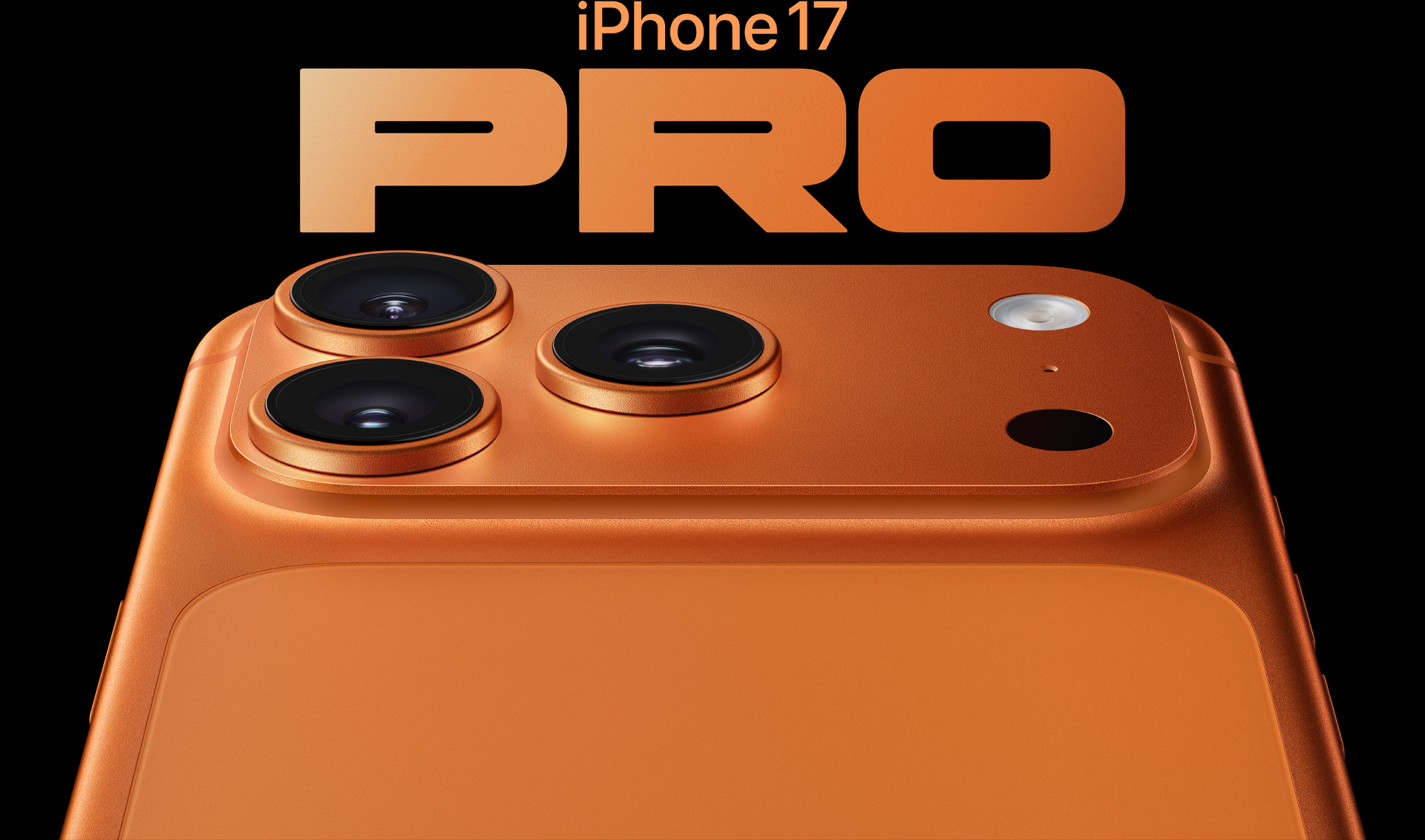
The iPhone 17 Pro family takes a different approach. Apple equipped the iPhone 17 Pro and Pro Max with three 48MP Fusion rear cameras covering the main, ultrawide, and telephoto systems. The telephoto camera provides 4x optical zoom and up to 8x optical-quality zoom at a 200mm equivalent focal length.
Video is one of the biggest reasons to consider an iPhone Pro. Apple supports features including ProRes, ProRes RAW, Apple Log 2, 4K Dolby Vision, stabilization, and advanced audio recording options.
The 18MP Center Stage front camera also gives creators more flexibility for selfies, group shots, video calls, and front-facing video. Apple says it can automatically expand the field of view for group selfies and supports Dual Capture for recording from the front and rear cameras simultaneously.
For someone who creates TikTok videos, YouTube content, Instagram videos, business videos, interviews, or short-form social-media content, these features can be more useful than simply having a huge megapixel number.
See Apple’s official iPhone 17 Pro information for the current camera system and video features.
Why You Might Want It
- Strong video recording capabilities.
- Three 48MP rear cameras.
- Long-range telephoto options.
- ProRes and Apple Log 2 support.
- Strong stabilization.
- Good choice for mobile content creators.
Google Pixel Pro Series: Computational Photography and AI Features
Google’s Pixel Pro phones take a software-heavy approach to photography. Instead of relying entirely on camera hardware, Google’s processing algorithms play a major role in exposure, portrait photography, night photography, zoom, and image editing.
Google’s current Pixel Pro hardware documentation lists a triple rear camera system with a 50MP wide camera, 48MP ultrawide camera with Macro Focus, and 48MP 5x telephoto camera. The specifications also include optical and electronic stabilization, Pro controls, Macro Focus, Night Sight, Astrophotography, and AI-powered editing tools.
This makes Pixel phones particularly interesting for people who want to point the phone at a scene and allow the software to handle much of the processing.
The Pixel approach is also useful for people who enjoy editing photographs after taking them. Google’s tools include features such as Magic Eraser, Photo Unblur, Best Take, Portrait Light, and Zoom Enhance.
Why You Might Want It
- Strong computational photography.
- Useful portrait and night features.
- Powerful image-editing tools.
- Good telephoto capability on Pro models.
- Useful AI photography features.
Check Google’s official Pixel support documentation for current specifications and supported camera features.
Xiaomi 17 Ultra: A Photography-Focused Option
Xiaomi’s 17 Ultra is another phone worth watching if photography is your main priority. Xiaomi lists a 50MP Leica main camera with a 1-inch sensor, a 200MP Leica telephoto camera covering a 75–100mm range, and a 50MP ultrawide camera.
The telephoto system is particularly unusual. Xiaomi says the 200MP telephoto uses a mechanical optical zoom system covering 75–100mm, while the phone can extend to longer optical-quality focal lengths through its system.
The phone also supports RAW photography, Pro mode, document photography, macro photography, 8K video, Dolby Vision recording, and 4K recording at up to 120fps in supported modes.
For photography enthusiasts who enjoy experimenting with focal lengths and manual controls, this type of hardware can be especially interesting.
You can view the official Xiaomi 17 Ultra specifications and camera features before making a purchase decision.
Best Camera Phone for Low-Light Photography
Low-light photography is one of the areas where expensive camera phones can separate themselves from ordinary smartphones.
When lighting becomes poor, the camera needs to capture enough information without producing excessive noise. Optical stabilization can help reduce blur caused by hand movement, while larger sensors and wider apertures can improve the amount of light reaching the camera.
Samsung’s Galaxy S26 Ultra, Apple’s iPhone 17 Pro series, Google’s Pixel Pro phones, and Xiaomi’s 17 Ultra all approach low-light photography differently.
The important point is that you should not judge night photography from specifications alone. Look at real-world samples taken in the conditions where you expect to use the phone.
If you frequently photograph Nigerian city streets, restaurants, events, buildings, or evening gatherings, low-light performance may matter more to you than extreme daytime resolution.
Best Camera Phone for Zoom Photography
If you regularly photograph distant subjects, a dedicated telephoto camera is more important than a large megapixel number on the main sensor.
Optical zoom uses a dedicated lens to bring distant subjects closer without relying entirely on digital enlargement. Digital zoom can still be useful, but image quality usually becomes more dependent on computational processing as you move beyond the phone’s native optical range.
The Galaxy S26 Ultra is particularly notable because it combines 3x and 5x telephoto cameras. The iPhone 17 Pro adds a 4x telephoto system with an 8x optical-quality mode, while Xiaomi’s 17 Ultra takes a different approach with its 200MP telephoto system.
Best Camera Phone for Portrait Photography
Portrait photography is not simply about making the background blurry. Good portrait photographs also depend on skin tones, focus accuracy, exposure, facial detail, lens perspective, and the way the phone separates the subject from the background.
A dedicated telephoto lens can be useful for portraits because longer focal lengths can produce a different perspective from a standard wide camera. Software-based portrait modes can then add computational background separation.
Before buying a phone specifically for portraits, examine sample photographs of people rather than relying only on camera specifications.
Best Camera Phone for YouTube, TikTok and Social Media Videos
If your main goal is video creation, your buying decision should be broader than photography.
Look for:
- Good stabilization.
- Reliable autofocus.
- Strong microphone recording.
- 4K video support.
- Good low-light video performance.
- Front-camera video quality.
- Large internal storage.
- Good battery life.
The iPhone 17 Pro family is particularly relevant for serious video creators because Apple provides professional-oriented formats such as ProRes and Apple Log 2.
However, you do not need a flagship phone simply to start creating content. A good mid-range phone with decent stabilization and lighting can produce useful social-media content when the person behind the camera understands framing, exposure, audio, and editing.
If you are interested in developing digital skills around content creation and online work, check our Digital Skills & Tutorials section.
Don’t Ignore the Front Camera
Many buyers focus almost entirely on the rear camera. That makes sense if photography is your priority, but creators who record themselves should pay close attention to the front camera too.
A good front camera can improve:
- YouTube videos.
- TikTok content.
- Instagram Reels.
- Video calls.
- Online classes.
- Interviews.
- Business presentations.
Apple’s iPhone 17 Pro, for example, includes an 18MP Center Stage front camera with autofocus and video features designed around more flexible framing.
Camera Phone Buying Tip: Don’t Chase Megapixels Alone
This is one of the biggest mistakes people make when shopping for camera phones.
A 200MP camera is not automatically better than a 50MP camera. The final image depends on much more than resolution.
Consider a camera with:
- A larger or well-designed sensor.
- Good optical stabilization.
- A wide aperture.
- Reliable autofocus.
- Good HDR processing.
- Natural colour reproduction.
- Effective noise reduction.
- Useful telephoto and ultrawide lenses.
Also remember that many smartphones combine multiple pixels into a smaller final image. The resulting photograph may have fewer megapixels than the maximum advertised resolution while still looking better in everyday use.
Storage Matters More Than You Think
Camera phones can generate large files, especially when you shoot RAW photographs, high-resolution images, or 4K and 8K video.
For casual photography, 128GB may be enough for some people. However, if you regularly record video, download editing applications, or keep thousands of photographs on your device, 256GB or more is much more comfortable.
Professionals and serious content creators should consider 512GB if their budget allows it.
You can also learn more about managing important files through our guide on cloud storage and digital file management.
Accessories That Can Make Your Camera Phone Better
You can improve the results from almost any good camera phone by improving the way you use it.
Phone Tripod
A tripod helps keep the phone steady for night photography, long exposures, product photography, interviews, and videos.
Portable LED Light
Good lighting can make a bigger difference to a portrait or product photograph than upgrading from one flagship phone to another.
Wireless Microphone
If you make videos, clear audio is essential. Viewers may tolerate average image quality, but poor sound can make a video difficult to watch.
Power Bank
Recording high-resolution video, using mobile data, and editing photographs can consume significant battery power. A power bank can therefore be useful during long shooting sessions.
For smartphones, accessories, and other technology products, you can browse Shopinverse here.
Camera Phone Photography Courses and Digital Skills
Buying an expensive smartphone is only part of improving your photography. Learning how to use the camera properly can have an even bigger impact.
Understanding composition, lighting, exposure, framing, colour, editing, and storytelling can help you get more from the device you already own.
If you want to develop broader digital skills, you can explore this collection of 100+ digital courses on Selar.
For people interested in building an online business around their skills, this business plan course may also be relevant.
Photography can also become part of a wider content-creation or marketing workflow. If you are interested in learning social-media marketing, you can explore this Facebook, Twitter and YouTube marketing course.
How to Test a Camera Phone Before Buying It
If possible, do not make your decision from a specification sheet alone.
Try taking photographs in several situations:
- Bright daylight.
- Indoor lighting.
- Night conditions.
- Portraits.
- Moving subjects.
- Close-up subjects.
- Distant subjects.
- Wide landscapes.
- Video while walking.
- Front-camera video.
Then inspect the photographs on a larger screen. Look closely at skin tones, shadows, highlights, fine details, noise, motion blur, and the consistency between different cameras.
This approach gives you a better understanding of what the phone can actually do.
What Nigerian Buyers Should Consider Before Paying
Camera performance is important, but Nigerian buyers should consider the entire ownership experience.
- Local price: Compare prices from reputable sellers.
- Warranty: Confirm what type of warranty is provided.
- Network compatibility: Make sure the phone supports the networks you use.
- Storage: Choose enough space for photographs and videos.
- Battery: Consider how you will use the phone during the day.
- Repairs: Check whether replacement parts and service are accessible.
- Accessories: Consider the additional cost of cases, chargers, tripods, and other equipment.
A phone that looks cheap initially can become expensive if accessories, repairs, storage upgrades, or replacement parts are difficult to obtain.
Our guide to the best smartphones to buy in Nigeria is another useful starting point if you are comparing the wider market.
Camera Phone vs Professional Camera: Which Should You Use?
Modern flagship smartphones can produce impressive photographs, but they do not completely replace dedicated cameras for every photographer.
A mirrorless or DSLR camera can provide larger sensors, interchangeable lenses, greater manual control, and other advantages that matter to professional photographers.
Smartphones have a different advantage: convenience.
You already carry your phone almost everywhere. It can take a photograph, edit it, connect to the internet, and upload it to social media within minutes.
For everyday photography, business content, social media, travel, family photographs, and quick professional documentation, that convenience can be extremely valuable.
Final Thoughts: Which Camera Phone Should You Choose?
The right camera phone depends on what you actually want to photograph.
If zoom is your priority, a phone with multiple telephoto cameras such as the Galaxy S26 Ultra deserves serious consideration. Samsung’s current flagship provides a 200MP main camera, 3x and 5x telephoto options, and extensive computational zoom features.
If video creation is more important, the iPhone 17 Pro and Pro Max offer a strong collection of professional video tools, multiple 48MP rear cameras, and flexible telephoto options.
If computational photography and AI-assisted editing appeal to you, Google’s Pixel Pro range is worth investigating. Its camera system combines multiple lenses with Google’s photography and editing software.
If you want a photography-focused Android phone with a large main sensor and an unusual high-resolution telephoto system, Xiaomi’s 17 Ultra is another device worth researching.
Most importantly, do not buy a camera phone simply because its specification sheet contains the biggest megapixel number. Think about the photographs and videos you actually take. Then choose the combination of camera hardware, software, battery, storage, performance, and price that fits your needs.
For more smartphone comparisons, reviews, and buying guides, explore the Infolandia App & Product Reviews category.
You can also read our guides on signs that your phone needs replacement, extending smartphone battery life, and smartphone requirements for video editing.
Affiliate disclosure: Some links in this article are affiliate links. If you purchase a product or course through one of these links, Infolandia may receive a commission at no additional cost to you. Affiliate links are included where they are relevant to the topic, but you should always compare specifications, prices, warranty terms, availability, and reviews before making a purchase.