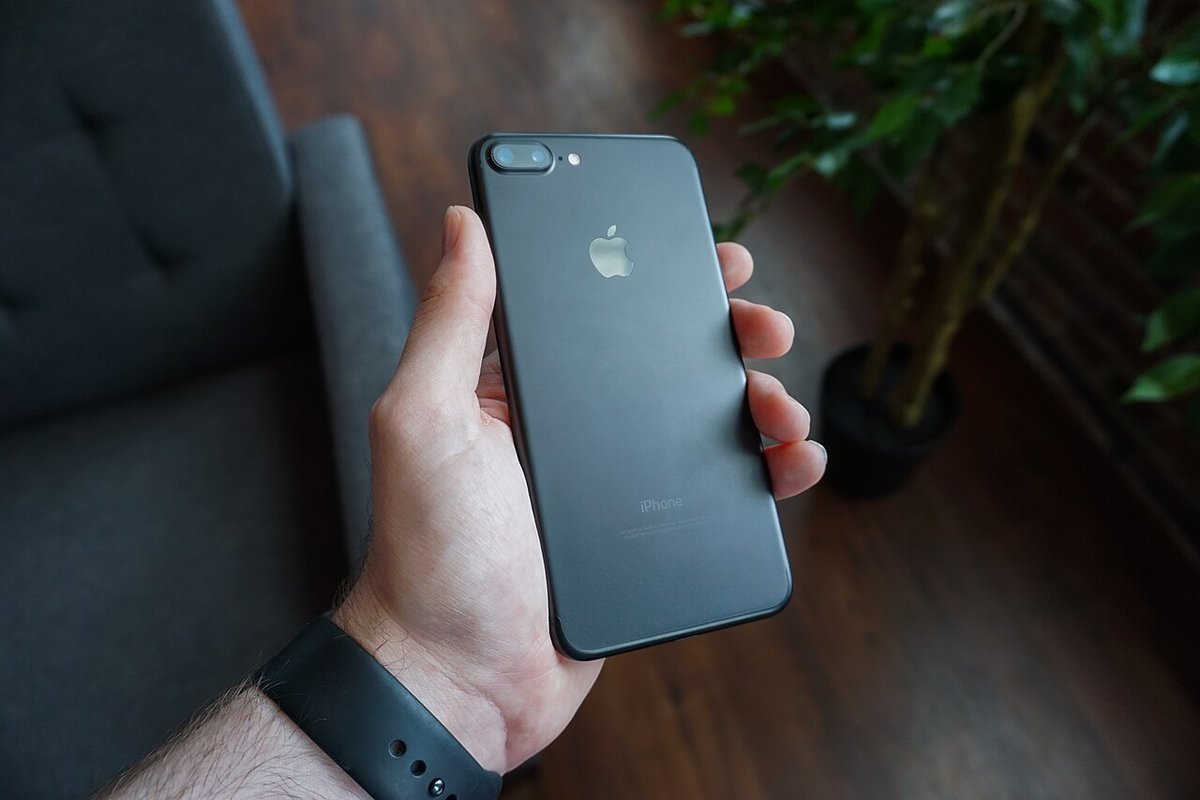
Buying a smartphone in Nigeria is not just about picking the phone with the biggest camera number or the brand your friend recommends. Between rising prices, unreliable electricity, patchy network coverage and the flood of fake and “refurbished” phones in the market, a wrong choice can cost you money and months of frustration.
This guide walks you through everything that actually matters when choosing a smartphone in Nigeria in 2026. It covers budget tiers, battery life, charging, cameras, performance, storage, network bands and 5G, durability, software updates and, most importantly, how to avoid fake phones. By the end, you should be able to walk into any phone shop or open any online store and know exactly what to look for.
If you already know your budget and just want recommendations, see our list of the best smartphones to buy in Nigeria in 2026. If you want to understand how to choose, read on.
Step 1: Decide What You Actually Need the Phone For
Before you look at a single price tag, be honest about how you will use the phone. A student who mostly uses WhatsApp, Google Classroom and YouTube does not need the same phone as a content creator shooting videos every day or a gamer playing for hours.
- Calls, WhatsApp and social media: almost any decent modern phone will do. Focus on battery life and storage.
- Online business and remote work: prioritise reliable performance, enough RAM and a good front camera for video calls.
- Content creation: camera quality, video stabilisation and storage come first.
- Gaming: a strong processor, good cooling and a high refresh-rate screen matter most. Our phone requirements for gaming guide explains the specs to look for.
Writing down your top two or three needs keeps you from paying for features you will never use.
Step 2: Set a Realistic Budget (Naira Price Tiers)
Phone prices in Nigeria change often because of exchange rates, import costs and supply. The ranges below are rough guides, not fixed prices. Always confirm current prices with an authorised dealer or a trusted online store before you pay.
Entry-level (roughly under ₦150,000)
This is where you find basic phones from brands like Tecno, Infinix, itel, Redmi and Samsung’s lower Galaxy A models. Expect a large battery, a decent screen and cameras that are fine in daylight but weaker at night. Performance is good enough for WhatsApp, calls and light social media. See our picks for the best phones under ₦100,000 in Nigeria, and our Redmi 15C vs Tecno Spark 40 comparison for two popular options in this range.
What to expect at this level:
- Batteries of 5,000mAh or more are standard, so all-day use is realistic for light users.
- Usually LCD screens, often with a 90Hz refresh rate on newer models.
- 3GB to 4GB of physical RAM on the cheapest models, which can make switching between apps slow.
- Slower charging, often between 10W and 18W.
- Fewer software updates, so security support may end sooner.
Entry-level phones are best for first-time smartphone users, people buying a backup phone, and parents buying a child’s first device. Be careful of the cheapest unbranded phones, though. Our article on the hidden cost of cheap phones in Nigeria explains why a slightly higher budget often saves money in the long run.
Lower mid-range (roughly ₦150,000 to ₦350,000)
Here you start getting smoother performance, AMOLED screens on some models, faster charging and better main cameras. For many Nigerians this is the sweet spot for value. Our guide to the best phones under ₦200,000 is a good place to start.
What to expect at this level:
- 6GB to 8GB of RAM and 128GB to 256GB of storage on many models.
- Charging speeds of 33W to 45W, sometimes higher.
- Main cameras that are noticeably better in daylight, with improving night modes.
- More 5G options than a few years ago.
Popular series here include the Tecno Camon, Infinix Note, Redmi Note and Samsung Galaxy A3x lines. Our Tecno Camon vs Infinix Note comparison and our Samsung Galaxy A series vs Redmi Note series guide break down the differences.
Upper mid-range (roughly ₦350,000 to ₦800,000)
Phones here usually offer strong processors, better low-light cameras, water resistance and longer software support. Good examples include the Samsung Galaxy A5x series (see our Samsung Galaxy A56 5G review) and design-focused phones like the Nothing Phone (3).
What to expect at this level:
- Bright AMOLED screens with 120Hz refresh rates.
- Optical image stabilisation on the main camera and more reliable night photos.
- An IP rating for dust and water resistance on many models.
- Several years of promised updates from some brands.
This tier suits working professionals, small business owners and anyone who wants a phone that still feels fast after three years.
Flagship (roughly above ₦800,000)
Flagships give you the best cameras, top processors, premium build and the longest update promises. If you are considering this tier, compare carefully. Our reviews of the Xiaomi 17T Pro, OPPO Find X10 Pro Max and ASUS Zenfone 12 Ultra break down what you get for the money.
What to expect at this level:
- The fastest chips available, which keep the phone smooth for many years.
- Multiple high-quality cameras, including real optical zoom.
- Premium materials such as glass and metal, plus strong water resistance.
- Wireless charging and the longest software support.
Flagships make sense if you will keep the phone for four years or more, or if your work depends on photos and video. For the very top end, see our Samsung Galaxy S26 Ultra review and Google Pixel 11 Pro review. For a broad view of current prices across all tiers, check our list of phones and their prices in Nigeria.
Tip: Pay-later and phone loan schemes can make a pricier phone look affordable, but interest and penalties add up. Read our breakdown of the advantages and disadvantages of phone loans in Nigeria before signing up.
Step 3: Prioritise Battery Life and Charging (Because of NEPA)
With power outages still common across the country, battery life is arguably the most important feature for a Nigerian phone buyer. A phone with a brilliant camera is useless if it is dead by 4pm.
Battery capacity
- 5,000mAh is now the comfortable minimum for most users.
- 6,000mAh and above is ideal if you are out all day or live in an area with long outages. Several newer phones use silicon-carbon batteries that pack more capacity into a slim body.
- Capacity is not everything. An efficient processor and a well-optimised operating system can make a smaller battery last longer than a bigger one.
For specific models, check our list of long-lasting battery phones in Nigeria.
Once you have the phone, our guide to extending your smartphone battery life shares 15 practical tips that work.
Fast charging
Fast charging matters when you only get a short window of electricity or generator time. A phone that supports 45W to 120W charging can go from low to well over half full in a short time, while a 10W to 18W phone can take hours. Wireless charging is a nice extra but not essential. Most Android phones now use USB-C, and many support the USB Power Delivery standard, which lets one good charger work with several devices. Learn more in our USB-C vs Lightning guide.
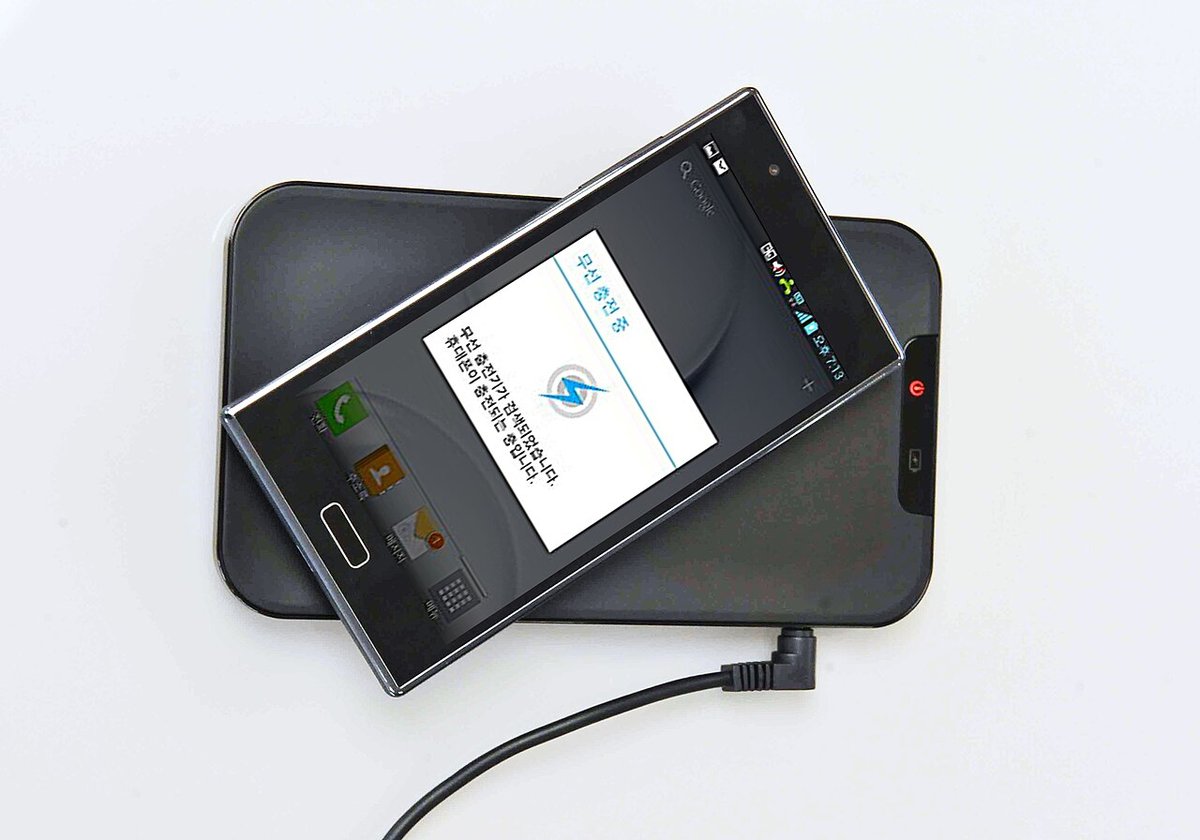
Just as important is using a genuine charger. Fake chargers can charge slowly, overheat and damage your battery. Read the truth about original chargers in Nigeria and our comparison of a regular phone charger vs a GaN charger.
Plan for power outages
Budget for a good power bank alongside your phone. Our guide to power bank capacity (10,000mAh vs 20,000mAh vs 30,000mAh) will help you pick the right size, and our Oraimo Traveler 3 power bank review covers a popular high-capacity option. If outages are severe where you live, our guide to solar gadgets for working without reliable power is worth reading. Then protect your new battery by avoiding the habits that destroy phone batteries.
Step 4: Understand the Camera (Megapixels Are Not Everything)
A 200MP label on the box does not guarantee great photos. What really matters is the sensor size, the lens quality, optical image stabilisation (OIS) and the phone’s image processing.
- Main camera: look for OIS if you shoot in low light or record video while moving.
- Ultra-wide and telephoto: an ultra-wide lens is useful for group photos and buildings. A real telephoto (optical zoom) lens is mostly found in upper mid-range and flagship phones.
- Front camera: important for video calls, live streams and selfie content.
- Video: 4K recording with good stabilisation is a must for creators.
The best way to judge a camera is to look at real sample photos and videos, especially night shots, rather than reading the spec sheet. Our roundup of the best camera phones in 2026 and our Sony Xperia 1 VII review show what strong camera systems look like in practice.
Step 5: Processor, RAM and Performance
The processor (chipset) is the brain of the phone. You will mostly see chips from Qualcomm (Snapdragon), MediaTek (Helio and Dimensity), Samsung (Exynos), Google (Tensor) and Apple (A-series).
- Basic use: an entry-level MediaTek Helio or Snapdragon 4-series chip is fine.
- Smooth everyday use and light gaming: aim for a Dimensity 6000/7000 series or Snapdragon 6/7-series chip.
- Heavy gaming and video editing: look at flagship chips like the latest Snapdragon 8-series or Dimensity 9000-series. Our Realme GT 7 Pro review shows what a performance-focused phone can do.
RAM: 6GB is a sensible minimum in 2026, 8GB is comfortable for most people, and 12GB or more suits heavy multitaskers and gamers. Be careful with “virtual RAM” or “extended RAM” claims. That extra figure borrows from storage and is much slower than real RAM, so judge a phone by its physical RAM.
You can compare chipsets, RAM and other full specifications side by side on GSMArena, one of the most widely used phone specification databases.
Step 6: Choose Enough Storage
Storage fills up faster than most people expect, thanks to WhatsApp media, apps and videos.
- 64GB: too small for most people in 2026. Avoid it unless the phone has a microSD slot and you only need basics.
- 128GB: the practical minimum for the average user.
- 256GB or more: recommended if you shoot lots of video, play big games or keep your phone for several years.
Check whether the phone has a microSD card slot, as many newer models have dropped it. If you are already struggling with space, read why your phone storage keeps filling up and what actually works.
Step 7: Check Network Bands and 5G Support in Nigeria
This is the step many buyers skip, especially when buying imported or foreign-market phones. A phone that does not support the right frequency bands may show weak signal or no 4G at all on your network.
4G LTE bands
Nigerian networks use several 4G bands, including commonly used ones such as Band 3 (1800MHz), Band 20 (800MHz) and Band 28 (700MHz). Before buying, look up the phone’s supported bands on its specification page and confirm they match what your network uses. Phones made for the African, European or global markets usually work well, while some US- or China-only models may not.
Is 5G worth it in Nigeria?
5G is available in parts of major cities such as Lagos, Abuja and Port Harcourt, and operators like MTN continue to expand coverage. Much of Nigeria’s 5G uses the 3.5GHz (n78) band, so if you want 5G, make sure the phone lists n78 support. Outside major cities, coverage is still limited and 5G data plans can be pricier.
Our rule of thumb: if you are buying in the mid-range or above and plan to keep the phone for three years or more, get 5G for future-proofing. If you are on a tight budget, a good 4G phone is still fine. Our full comparison of 5G vs 4G phones in Nigeria goes deeper.
Step 8: Display Quality
You will look at your screen for hours every day, so it is worth getting right. AMOLED screens offer deeper blacks, richer colours and often better battery efficiency, while good LCD screens are cheaper and can still look sharp. A 90Hz or 120Hz refresh rate makes scrolling feel much smoother. If you are unsure which to pick, read AMOLED vs LCD phones: which display is better. Also check peak brightness if you spend a lot of time outdoors under the Nigerian sun.
Step 9: Durability and Build Quality
Dust, heat, rain, crowded buses and accidental drops are part of daily life for many Nigerian phone users. Look for:
- An IP rating: IP67 or IP68 means good dust and water resistance. IP54 or similar offers splash protection only. The IP code explains what each number means.
- Toughened glass: brands like Gorilla Glass help the screen survive scratches and small drops.
- Repairability: check that spare parts and authorised repair centres exist in Nigeria for the brand. Some phones, like the Fairphone 6 and the HMD Skyline, are designed to be easier to repair.
Rugged-rated phones like the Motorola Edge 60 Pro are worth a look if you are hard on your devices. Whatever you buy, a good case and screen protector are cheap insurance.
Step 10: Software Updates and Security
Software updates fix bugs, add features and, most importantly, patch security holes that scammers and hackers exploit. A phone that stops getting updates after a year becomes riskier to use for mobile banking and payments.
- Check how many years of Android version updates and security patches the brand promises. Samsung, Google and some other brands now promise many years of updates on selected models, while some budget phones get far fewer.
- Learn how to check and update your Android version, or how to update your iPhone.
- Make sure an Android phone is Play Protect certified, so Google apps and Play Store security work properly.
Choosing between Android and iPhone? Read iPhone vs Samsung: which one should you buy for a fair comparison.
Android vs iPhone: Which Is Better for Nigerians?
This is one of the most common questions Nigerian buyers ask. Both platforms are excellent, but they suit different people and budgets.
Why many Nigerians choose Android
- Price range: Android phones are available at every budget, from entry-level to premium.
- Bigger batteries and faster charging: many Android phones, especially Tecno, Infinix and Xiaomi models, offer large batteries and very fast charging at lower prices.
- Dual SIM and expandable storage: very useful if you juggle MTN, Airtel, Glo or 9mobile lines, and handy when storage runs low.
- Repairs and parts: parts for popular Android brands are widely available and usually cheaper.
- Customisation: you can change launchers, themes and default apps freely. Our post on Android features you are not using but should be shows how much you can do.
Why many Nigerians choose iPhone
- Long software support: iPhones generally receive iOS updates for many years, which helps with security for banking apps.
- Resale value: iPhones tend to hold their value well in the Nigerian market, so you get more back when you upgrade.
- Consistent performance and video quality: even older iPhones often stay smooth and record very good video.
- Ecosystem: works smoothly with AirPods, iPad, Mac and Apple Watch.
The downsides are higher prices, costly repairs and the popularity of fake and heavily refurbished iPhones. If you are buying a used iPhone, use Apple’s guide to identify your iPhone model to confirm it is the model the seller claims. Our article on why iPhones are gaining popularity in Nigeria explores the trend, and our iPhone 16 Pro Max review shows what a recent Pro model offers.
A Brand-by-Brand Overview for Nigerian Buyers
Every brand has strengths and weaknesses, and individual models matter more than the logo. Still, knowing each brand’s general approach helps you narrow down your shortlist.
- Tecno: very popular across Nigeria, with phones built around local needs such as big batteries, strong selfie cameras tuned for darker skin tones, and dual SIM. The Spark range covers budget buyers, Camon focuses on cameras and Phantom is the premium line. See our Tecno Camon series review.
- Infinix: a sister brand to Tecno, known for fast charging, large screens and good value for money. The Hot and Smart ranges are affordable, the Note range adds speed and charging power, and the Zero range is the top line. Read our Infinix Note 50 series review.
- itel: focuses on the most affordable smartphones and feature phones. A good choice for basic users or as a backup phone.
- Samsung: covers every price point, from Galaxy A budget models to the premium Galaxy S and foldable Z series. Samsung is known for solid build quality, good displays and a strong update policy on many models.
- Xiaomi, Redmi and POCO: offer strong specs for the price, especially in the Redmi Note range. POCO focuses on performance for gamers on a budget.
- Apple: premium iPhones with long software support and high resale value.
- Others: OPPO, vivo, realme, Honor, Google Pixel, Motorola, Nothing and OnePlus each have interesting models, though availability and service centres in Nigeria vary. Always check local after-sales support before choosing a less common brand.
Curious what other Nigerians are buying? See our list of the top 10 phones Nigerians are buying most in 2026.
Step 11: Buy From Authorised Stores and Avoid Fakes
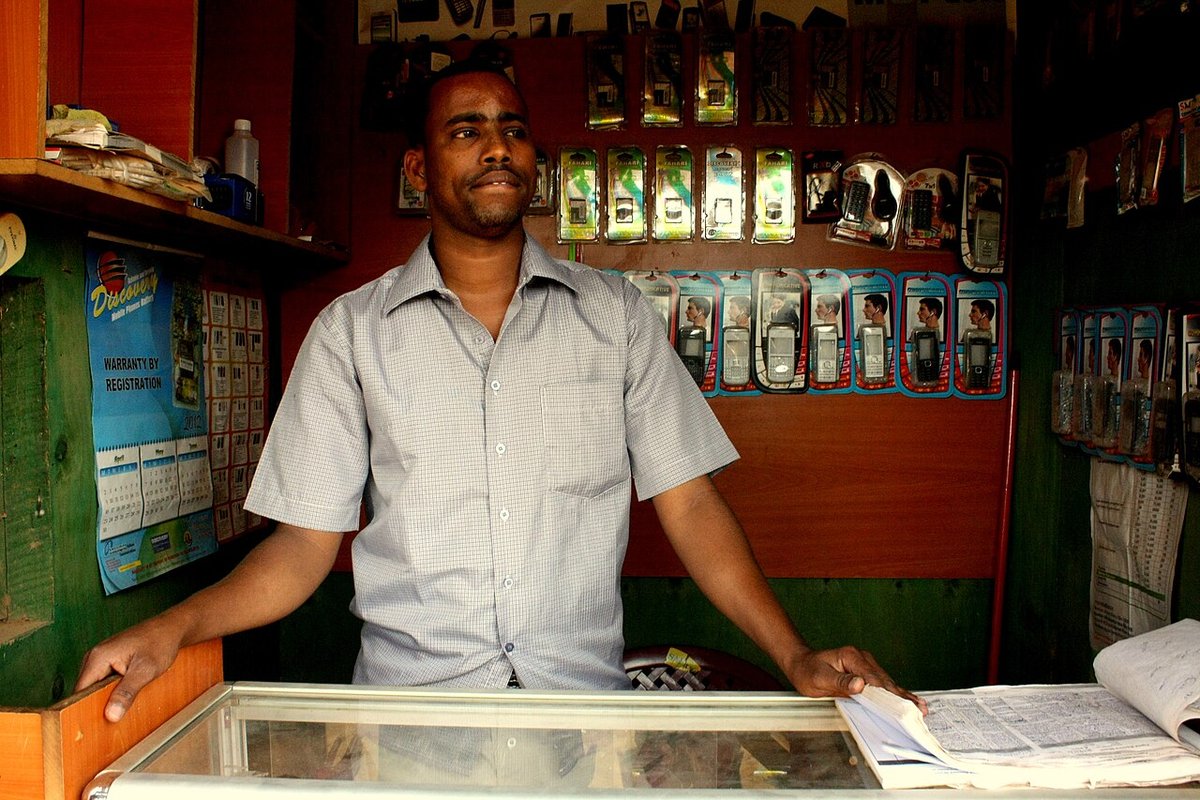
Fake, cloned and badly refurbished phones remain a serious problem in Nigeria. They often look identical to the real thing but come with weak batteries, slow chips, fake storage and no warranty. We explain why so many people still get caught in why Nigerians are still falling for fake phones.
Where to buy safely
- Brand stores and authorised dealers: the safest option, with valid warranties and genuine accessories.
- Official brand stores on major e-commerce platforms: buy from the brand’s official store page rather than random third-party sellers.
- Trusted shops in markets like Computer Village: possible, but only with a known, reputable seller and a written receipt.
The Nigerian Communications Commission (NCC) requires communications equipment sold in Nigeria to go through type approval. Phones sold through official channels are far more likely to meet these standards than grey imports.
If you are considering a UK-used or refurbished phone to save money, first read everything you need to know about UK-used phones in Nigeria.
Red flags to watch for
- A price that is far below what authorised stores charge.
- A seller who refuses to let you test the phone or insists on payment before inspection.
- Poor printing, misspellings or loose seals on the box.
- The “About phone” page showing different storage, RAM or model details from the box.
- No receipt or warranty card.
Buying online vs buying at markets like Computer Village
Both options can work if you are careful. Each has its own risks.
Buying online:
- Buy from the brand’s official store or a verified seller, and read recent reviews of that seller.
- Check the return policy before you order, and keep screenshots of the product page and specifications.
- Choose pay-on-delivery or a protected payment method where possible, and avoid sending money to personal accounts of sellers you found on social media.
- Open and test the phone in front of the delivery agent if the platform allows it.
- Read our tips on how to avoid wrong orders when shopping online in Nigeria.
Buying at Computer Village or other phone markets:
- Go during the day, ideally with someone who knows phones.
- Deal only inside a proper shop, not with street agents who offer to “help you get a better price”.
- Test everything before paying: calls on both SIM slots, the cameras, charging, speakers, Wi-Fi, Bluetooth and fingerprint or face unlock.
- Never hand over a phone you already own for a “swap” until the new phone has been fully checked.
- Get a written receipt with the shop’s name, the model and the IMEI number on it.
Warranty and after-sales service
A phone is only as good as the support behind it. Before you buy, ask:
- How long is the warranty? Most brand-new phones from authorised sellers come with a manufacturer warranty, typically around a year. Grey imports and used phones often have none.
- What does it cover? Warranties usually cover manufacturing faults, not screen cracks or water damage. Ask about any extra screen or accident protection plans.
- Where is the nearest service centre? Brands like Tecno, Infinix, itel and Samsung have service centres in many Nigerian cities. A brand with no local service centre can leave you waiting weeks for parts.
- Is the warranty valid in Nigeria? Some imported phones have warranties that only apply in the country they were sold in.
Keep your receipt, box and warranty card together in a safe place. You will need them for any warranty claim, and they also help when you resell the phone.
Step 12: Check the IMEI Before You Pay
Every genuine phone has a unique 15-digit IMEI number. Checking it is one of the quickest ways to spot a fake, cloned or stolen phone.
- Dial *#06# on the phone. The IMEI number(s) will appear on screen. Dual-SIM phones show two.
- Compare them with the IMEI printed on the box and on the sticker or tray, and with the one in Settings > About phone. All of them should match.
- Check the IMEI or serial number on the manufacturer’s official verification or warranty page. iPhone buyers can use Apple’s Check Coverage page with the serial number.
- Confirm the model shown online matches the phone in your hand.
If anything does not match, walk away. For a quick checklist to take with you to the shop, see 5 things to always check before buying a phone in Nigeria.
When Is the Best Time to Buy a Phone?
Timing can save you a significant amount of money.
- After a new model launches: most brands release new models every year. When a new version arrives, the previous model often drops in price while still being a great phone.
- During big sales: online platforms run major sales around Black Friday, end-of-year festivities and brand anniversaries. Compare prices before the sale starts so you can tell whether a “discount” is real.
- Avoid buying just before a launch: if a brand’s new model is expected within a few weeks, waiting can get you either the new phone or a cheaper older one.
- When you actually need one: do not upgrade just because a new model is out. Our list of 7 signs your phone needs replacement helps you decide whether it is really time.
Accessories Worth Budgeting For
Many phones no longer come with a charger in the box, so include these in your budget:
- An original or certified charger: match the wattage your phone supports to get the fast charging you paid for.
- A good-quality cable: cheap cables are a common cause of slow charging.
- A power bank: almost essential in Nigeria. 10,000mAh suits daily top-ups, while 20,000mAh or more suits long outages.
- A case and screen protector: far cheaper than a screen replacement.
- A surge protector or stabiliser: unstable power supply can damage chargers and phones.
- A memory card: if your phone has a microSD slot and you shoot a lot of video.
The Right Phone for Different Types of Users
Students
Students need a reliable battery, enough storage for notes, PDFs and recorded lectures, and a phone that can handle Google Classroom, Zoom and research. A lower mid-range phone with 6GB to 8GB of RAM and 128GB of storage is usually enough. See our guide to the best phones for university students in Nigeria.
Content creators
Creators should prioritise a stable main camera with OIS, 4K video, a good front camera, clear microphones and at least 256GB of storage. Our phone requirements for video editing guide explains the specs that matter for editing on the go.
Gamers
Gamers need a powerful chip, at least 8GB of RAM, a 120Hz or faster screen, good cooling and fast charging. Battery life under heavy load matters more than the battery’s raw size.
Business owners and professionals
If you run your business on WhatsApp, banking apps and email, focus on reliability, security updates, dual SIM, good battery life and a decent camera for product photos. Our guide to phone requirements for different professions covers specific jobs in more detail.
Elderly parents and first-time users
Choose a phone with a large, bright screen, loud speakers, a simple interface and a big battery. Turn on larger text and simplified home screens, and set up emergency contacts before handing it over. An entry-level phone from a well-known brand is usually perfect.
What matters most for each user type
| User type | Top priority | Suggested RAM / storage | Typical budget tier |
|---|---|---|---|
| Basic user / elderly parent | Battery, big screen, simplicity | 4GB / 64GB to 128GB | Entry-level |
| Student | Battery, storage, reliability | 6GB to 8GB / 128GB | Entry-level to lower mid-range |
| Business owner | Reliability, security updates, dual SIM | 8GB / 128GB to 256GB | Lower to upper mid-range |
| Content creator | Camera, video stabilisation, storage | 8GB to 12GB / 256GB+ | Upper mid-range to flagship |
| Gamer | Processor, cooling, refresh rate | 12GB / 256GB+ | Upper mid-range to flagship |
What to Do After Buying Your New Phone
- Move your data safely: back up your old Android phone or use iCloud before switching, so you do not lose contacts, photos and chats.
- Install updates: check for system updates on day one.
- Set up security: use a strong PIN plus fingerprint or face unlock, and turn on Find My Device or Find My iPhone.
- Protect private files: see our guide on how to hide important files on your phone.
- Wipe your old phone before selling it: follow Google’s steps to reset an Android device to factory settings, or read our guide on how to format your phone. If the old phone is beyond repair, consider responsible mobile phone recycling rather than throwing it away.
Quick Smartphone Buying Checklist
- Clear purpose and a realistic budget
- At least 5,000mAh battery and fast charging
- 6GB or more of RAM and at least 128GB storage
- Support for Nigerian 4G bands (and n78 if you want 5G)
- A camera that suits your needs, judged by real samples
- An IP rating and toughened glass if you can afford it
- A clear software update promise
- Bought from an authorised seller, with a receipt and warranty
- IMEI checked and matching everywhere
Avoid the most common traps by reading 7 mistakes Nigerians make when buying smartphones.
Frequently Asked Questions
What is the best smartphone brand in Nigeria?
There is no single best brand. Tecno, Infinix and Redmi offer strong value at lower prices. Samsung is popular for its mid-range and flagship lineup and service network, and Apple is preferred by many for long-term updates and resale value. The right brand depends on your budget and needs.
How much RAM do I need in 2026?
6GB of physical RAM is a sensible minimum, and 8GB is comfortable for most people. Gamers and heavy multitaskers should consider 12GB or more.
Is it worth buying a 5G phone in Nigeria now?
If you live in a city with 5G coverage or plan to keep your phone for several years, yes. If you are on a tight budget and live where 5G is not yet available, a good 4G phone is still a sensible choice.
How can I tell if a phone is fake?
Dial *#06# and make sure the IMEI matches the box and settings, check the serial or IMEI on the manufacturer’s site, confirm the specs in Settings match the box, and buy only from authorised sellers. A price that looks too good to be true usually is.
Should I buy a new or UK-used phone?
A new phone from an authorised store gives you a full warranty and a fresh battery. A UK-used phone can save money, but you must check battery health, IMEI and signs of repairs carefully. Our guide on UK-used vs brand-new phones compares both options.
How long should a smartphone last?
With proper care, a good smartphone should last three to five years. How long it stays safe and useful depends on how many years of software updates it receives and how well you look after the battery.
Are phones with 200MP cameras better than 50MP phones?
Not necessarily. Megapixels only describe resolution. Sensor size, lens quality, stabilisation and processing affect photo quality more. Many 50MP phones take better photos than some 200MP phones.
Is fast charging bad for my battery?
Modern phones manage fast charging with built-in safety controls, so using the original charger is generally safe. Heat is the bigger enemy, so avoid charging under a pillow or in direct sunlight, and avoid cheap fake chargers.
Does a phone without a charger in the box mean it is fake?
No. Many brands, including Apple and Samsung on several models, no longer include chargers. Check the official box contents for that model on the brand’s website.
Which network has the best 5G in Nigeria?
5G coverage changes often and depends on your location. Check each operator’s official coverage information and ask people in your area about their experience before choosing a network or paying extra for a 5G phone.
Can I use a foreign phone in Nigeria?
Usually yes, as long as it is unlocked and supports Nigerian network bands. Check the band list carefully, and remember that the manufacturer’s warranty may not apply in Nigeria.
How do I know if a used phone has been repaired?
Look for uneven screen gaps, mismatched colours, missing screws, poor touch response and unusual heat. On iPhones, the Settings app may show messages about non-genuine parts. Ask the seller directly and test the phone thoroughly.
Is it better to pay in full or use a phone instalment plan?
Paying in full is cheapest if you can afford it. Instalment plans can help with cash flow, but always calculate the total cost including interest and fees, and read the terms on late payments.
Final Thoughts
Choosing the right smartphone in Nigeria comes down to matching your real needs with your budget, then protecting yourself from fakes. Prioritise battery life and charging, make sure the phone supports Nigerian network bands, choose enough RAM and storage, and always buy from a trusted seller after checking the IMEI.
Still unsure? Browse our latest phone reviews, from niche options like the Unihertz Titan 2 QWERTY phone and the Bigme HiBreak Pro to flagships like the nubia Z70 Ultra. Have a question about a specific phone? Drop it in the comments and we will help you decide.